
In a world increasingly conscious of the environmental impact of traditional transportation methods, there is a growing demand for sustainable mobility solutions. Wheelchair-accessible vehicles have seen remarkable advancements in this regard, particularly with the integration of hybrid and electric technologies. This not only addresses the need for inclusivity but also contributes to a cleaner and more sustainable future. In this blog, QRST Wheelchair Transportation will help you enter into the innovative realm of hybrid and electric wheelchair-accessible vehicles, exploring their benefits, challenges, and the potential they hold for revolutionizing the concept of mobility.
The Need for Inclusive and Sustainable Mobility:
Mobility is fundamental to human life, and ensuring its accessibility to everyone is crucial for a just and inclusive society. Traditional wheelchair-accessible vehicles often rely on conventional fuel sources, contributing to air pollution and climate change. Recognizing this, the push for sustainable and eco-friendly transportation has led to the development of hybrid and electric wheelchair-accessible vehicles.
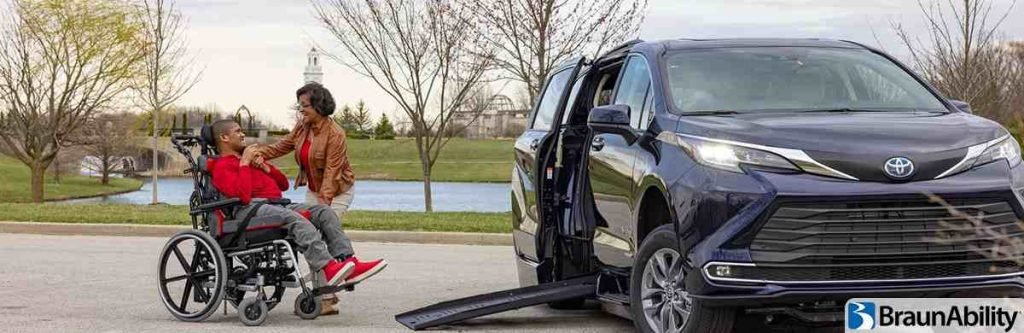
The Rise of Hybrid Wheelchair-Accessible Vehicles:
Hybrid wheelchair-accessible vehicles combine traditional internal combustion engines with electric propulsion systems. This dual power source allows for increased fuel efficiency and reduced emissions. These vehicles operate in electric mode at lower speeds, such as in urban areas, switching to the combustion engine for higher speeds or when additional power is required. The integration of hybrid technology into wheelchair-accessible vehicles not only promotes environmental sustainability but also enhances fuel economy and extends the range of these vehicles.
Benefits of Hybrid Wheelchair-Accessible Vehicles:
Hybrid wheelchair-accessible vehicles bring a host of benefits to the realm of sustainable mobility. The primary advantage lies in their significant reduction of environmental impact. By seamlessly combining traditional internal combustion engines with electric propulsion systems, these vehicles operate with reduced emissions, particularly in urban areas where air quality is a pressing concern. This dual power source optimizes fuel consumption, leading to improved fuel efficiency and cost savings for users. The extended driving range, achieved by the combination of electric and combustion power, offers users greater flexibility in travel without compromising sustainability. Additionally, the incorporation of regenerative braking systems enhances overall efficiency by converting kinetic energy into electric energy during braking, further contributing to the environmental friendliness of hybrid wheelchair-accessible vehicles. Despite the initial cost considerations, the long-term environmental and economic benefits position hybrid technology as a promising solution for fostering a more sustainable and inclusive future in mobility.
Challenges and Considerations:
While hybrid wheelchair-accessible vehicles present numerous benefits, there are challenges and considerations that must be addressed for their widespread adoption:
Cost Implications:
The initial cost of adopting hybrid technology in wheelchair-accessible vehicles in DMV may pose a barrier to widespread acceptance. However, it is crucial to recognize that this initial investment is often outweighed by long-term savings and environmental benefits. While the upfront expense might be higher, the efficiency of hybrid systems leads to substantial savings on fuel costs over the vehicle’s lifetime. The reduced reliance on conventional fuel sources not only mitigates the impact of rising fuel prices but also contributes significantly to a greener and more sustainable environment. Furthermore, many governments and jurisdictions offer incentives and subsidies for eco-friendly vehicles, including hybrids. These incentives can take the form of tax credits, rebates, or reduced registration fees, making the transition to hybrid wheelchair-accessible vehicles more financially viable for both individual users and organizations. In essence, the initial cost hurdle is often outweighed by the compelling long-term advantages in terms of cost savings, environmental responsibility, and potential government support.
Infrastructure:
The success of electric and hybrid wheelchair-accessible vehicles hinges on the availability of a robust charging infrastructure. A critical aspect of sustainable mobility, charging stations must be strategically expanded to accommodate the unique needs of wheelchair-accessible vehicles, ensuring their widespread adoption. Efforts should be directed towards developing charging networks in areas frequented by these vehicles, such as urban centers, medical facilities, and community spaces. This expansion is crucial to alleviate concerns related to range anxiety and to provide users with the confidence that their vehicles can be charged conveniently during their daily activities. Collaborative initiatives involving governments, private enterprises, and community stakeholders are essential to create an accessible and extensive charging infrastructure. By addressing this key challenge, the transition to electric and hybrid wheelchair-accessible vehicles can be facilitated, contributing not only to the mobility needs of individuals but also to a more sustainable and inclusive transportation ecosystem.
Battery Technology:
The advancement of battery technologies is pivotal for the continued evolution of hybrid wheelchair-accessible vehicles, which also stems from the evolution of wheelchair transportation services in DMV. Improving energy density ensures that batteries can store more power, extending the range of these vehicles and enhancing their overall efficiency. Additionally, faster charging times are essential for user convenience, making the transition to hybrid technology more seamless. As research and development efforts focus on these aspects, the performance and viability of hybrid wheelchair-accessible vehicles will be significantly bolstered, fostering a more sustainable and user-friendly transportation solution.
Inclusivity in Design:
Prioritizing user experience is paramount in the design of wheelchair-accessible vehicles, emphasizing ease of entry, exit, and maneuverability. Inclusive design extends beyond the choice of power source, encompassing the entire user journey. Features such as well-designed ramps, spacious interiors, and intuitive control systems contribute to a seamless experience for wheelchair users. Vehicle design should not only address the functional aspects but also consider the comfort and dignity of passengers with mobility challenges. By placing emphasis on inclusivity, manufacturers can ensure that wheelchair-accessible vehicles not only embrace sustainable technologies but also provide a user-centric and empowering mode of transportation for individuals with diverse mobility needs.
The Promise of Electric Wheelchair-Accessible Vehicles:
Electric wheelchair-accessible vehicles represent the pinnacle of sustainable mobility. By relying solely on electric power, these vehicles eliminate tailpipe emissions entirely. With advancements in battery technology, electric wheelchair-accessible vehicles are becoming more viable in terms of range, charging times, and overall performance.
Advantages of Electric Wheelchair-Accessible Vehicles:
Electric wheelchair-accessible vehicles stand at the forefront of sustainable and inclusive mobility solutions, offering a myriad of benefits. The most notable advantage is the elimination of tailpipe emissions, contributing significantly to environmental conservation. By relying solely on electric power, these vehicles play a crucial role in reducing air pollution and minimizing the carbon footprint, particularly in densely populated urban areas where air quality is a pressing concern. This zero-emission characteristic not only aligns with global efforts to combat climate change but also fosters a cleaner and healthier environment for individuals with mobility challenges.
In addition to their environmental prowess, electric wheelchair-accessible vehicles bring forth a quiet operation, reducing noise pollution in urban settings. The near-silent nature of electric vehicles enhances the overall quality of life for passengers, including those with sensory sensitivities. That’s where wheelchair transportation services enter the picture.. Lower maintenance costs further add to the appeal, as electric vehicles have fewer moving parts compared to traditional combustion engine vehicles. Government incentives, such as tax credits and rebates, make these vehicles financially attractive, encouraging their adoption and further solidifying their position as a sustainable and economically viable mobility solution
Overcoming Challenges in Electric Wheelchair-Accessible Vehicles:
Infrastructure Development:
Infrastructure development is pivotal for the successful integration of electric and hybrid vehicles into mainstream transportation. Expanding the charging station network is essential, ensuring convenient access for users, especially in areas frequented by wheelchair-accessible vehicles. This expansion alleviates concerns related to range anxiety, fostering user confidence in the viability of eco-friendly vehicles. Collaborative efforts among governments, private enterprises, and communities are crucial to create a robust and accessible charging infrastructure, ultimately supporting the widespread adoption of sustainable mobility solutions.
Battery Advancements:
Advancements in battery technology are instrumental in enhancing the efficiency and appeal of electric vehicles, including wheelchair-accessible ones. Improved energy density enables batteries to store more power, extending the vehicle’s range and reducing charging frequency. Faster charging times address user convenience, making electric vehicles more practical for everyday use. Ongoing research in battery innovations holds the key to overcoming current limitations, such as range anxiety, and contributes to the continued growth of sustainable and accessible mobility solutions.

Affordability and Accessibility:
Ensuring the affordability and accessibility of electric and hybrid wheelchair-accessible vehicles is essential for their widespread adoption. Government incentives, such as tax credits and subsidies, play a crucial role in making these vehicles financially accessible to a broader audience. Continued support programs are necessary to reduce the overall cost barrier and promote the inclusion of sustainable mobility solutions. By addressing affordability concerns, these initiatives contribute to a more inclusive and environmentally conscious transportation landscape.
The Future Landscape of Inclusive and Sustainable Mobility:
As technology advances and societal awareness grows, the future of wheelchair-accessible vehicles is poised for remarkable transformation. The integration of hybrid and electric technologies not only addresses environmental concerns but also promotes inclusivity and accessibility. Governments, manufacturers, and advocacy groups must collaborate to overcome challenges and create an environment conducive to the widespread adoption of these sustainable mobility solutions.
Conclusion:
Hybrid and electric wheelchair-accessible vehicles represent a significant step towards a more sustainable and inclusive future. By addressing environmental concerns and prioritizing accessibility, these innovative vehicles offer a glimpse into a future where mobility is not only eco-friendly but also universally accessible. As technology continues to evolve and societal priorities shift, the integration of sustainable practices in transportation becomes an integral part of creating a better world for all. The journey towards a greener, more inclusive future starts with the wheels that move us forward.
FAQ’s
What is hybrid and electric vehicle course?
A hybrid and electric vehicle course provides comprehensive education on the design, technology, and maintenance of hybrid and electric vehicles, preparing individuals for careers in the growing field of sustainable transportation. Topics include battery technology, charging infrastructure, and environmental considerations in the automotive industry.
What are the two types of hybrid electric vehicles?
Hybrid electric vehicles are broadly categorized into two types: parallel hybrids, where both the internal combustion engine and electric motor can power the vehicle independently, and series hybrids, where the electric motor acts as the sole source of propulsion, with the internal combustion engine serving as a generator. Each type offers unique advantages in terms of efficiency and performance.
What vehicles can be converted to wheelchair accessible?
Various vehicles, such as vans and SUVs, can be converted to wheelchair-accessible vehicles through modifications like ramps, lifts, and lowered floors. These adaptations enhance accessibility, allowing individuals with mobility challenges to comfortably enter, exit, and travel in the vehicle.
What is a wheelchair accessible car?
A wheelchair-accessible car is a vehicle modified to accommodate individuals with mobility challenges, typically featuring adaptations like ramps or lifts, widened entrances, and lowered floors to enable easy access and comfortable travel for wheelchair users. These modifications enhance inclusivity and independence in transportation.
What is the purpose of hybrid electric vehicle?
The purpose of a hybrid electric vehicle is to improve fuel efficiency and reduce emissions by combining an internal combustion engine with an electric motor. This dual-power system optimizes energy usage, offering a more environmentally friendly and economical mode of transportation.