
If you’re in Maryland and you’ve been noticing an exhaust smell or fumes in your wheelchair-accessible vehicle, don’t hit the panic button just yet! It’s a common issue that many face, and we’re here to help you troubleshoot it. Maryland’s scenic roads shouldn’t come with unwanted scents, so let’s get down to solving this. In this guide, QRST Wheelchair Transportation will explore potential causes, from engine issues to exhaust system problems, and discuss the steps you can take to address them. Your safety and comfort on the road are our top priorities, so let’s roll up our sleeves and figure out how to keep the fresh air flowing inside your vehicle.
Check for Exhaust Leaks:
Checking for exhaust leaks is a crucial step in troubleshooting that pesky exhaust smell and fumes in your Maryland wheelchair-accessible vehicle. It’s a bit like detective work, but don’t worry; it’s not too complicated. Start by giving your exhaust system a good visual inspection. Look for any signs of damage, like rust or visible holes. Sometimes, a small hole can be the culprit behind those unpleasant odors finding their way into your vehicle. If you notice any irregularities, it’s worth addressing them. Also, pay attention to the connections and clamps along the exhaust pipes. Loose or poorly sealed connections can allow exhaust gases to escape, and that’s what we want to avoid. It’s a first step, but an essential one to ensure you’re on the right track to a more pleasant and safer ride in your wheelchair-accessible vehicle.
Under the Hood Inspection:
Time for an under-the-hood inspection to tackle that exhaust smell and fumes in your Maryland wheelchair-accessible vehicle, just as exploring wheelchair-accessible waterfalls and natural wonders can be an exciting journey. Pop the hood and take a look. Your engine could be a source of the problem. Check for visible issues like oil or fuel leaks. Leaking gaskets, whether they’re for the exhaust or other engine parts, can sometimes be responsible for those unpleasant odors making their way inside the cabin. If you spot anything unusual, it’s a good idea to address it. And while you’re under the hood, make sure the engine is running smoothly. A poorly running engine can produce more exhaust and exacerbate the issue, so keeping your engine in tip-top shape is another important step on your troubleshooting journey.
Cabin Air Filter:
Let’s talk about your cabin air filter when dealing with that exhaust smell and fumes in your Maryland wheelchair-accessible vehicle. It might seem like a small thing, but this filter plays a big role in keeping the air inside your vehicle fresh and clean. Over time, cabin air filters can get clogged with all sorts of dust, dirt, and pollutants. When they’re clogged, your ventilation system can’t work efficiently, which means it might struggle to keep those exhaust odors at bay. So, it’s a good idea to check your owner’s manual for the recommended replacement interval, which is typically every 15,000 to 30,000 miles. By keeping this filter fresh, you’ll help ensure that you’re breathing clean air while cruising around Maryland.
Tailpipe Condition:
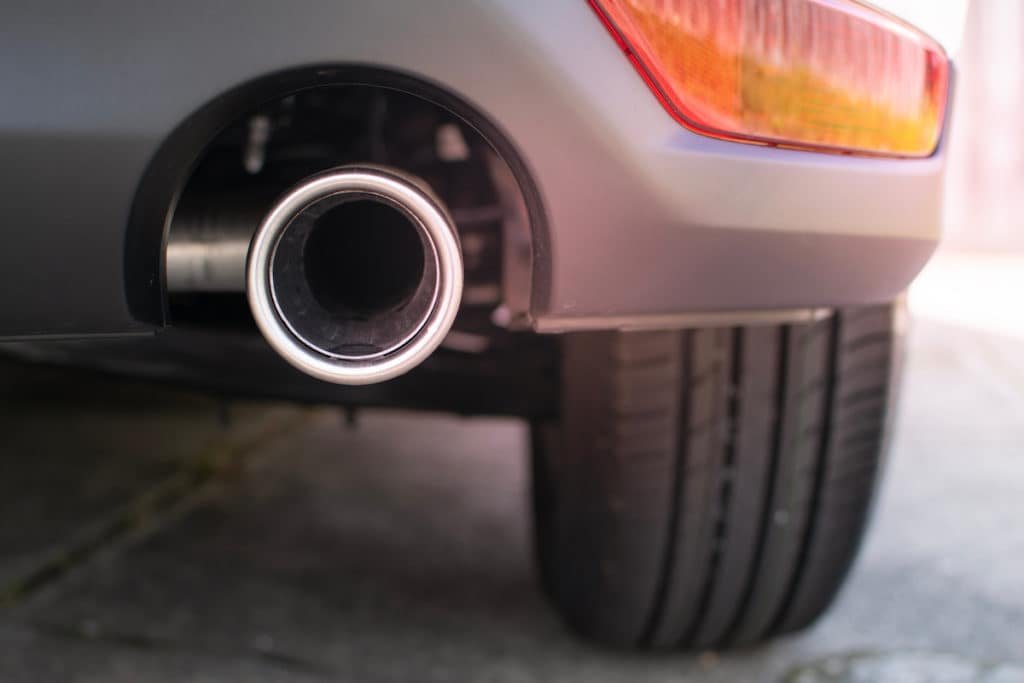
- Visual Inspection: First, give your tailpipe a good look. Make sure it’s not visibly damaged, corroded, or rusted. Any visible issues might indicate a problem with exhaust escaping where it shouldn’t.
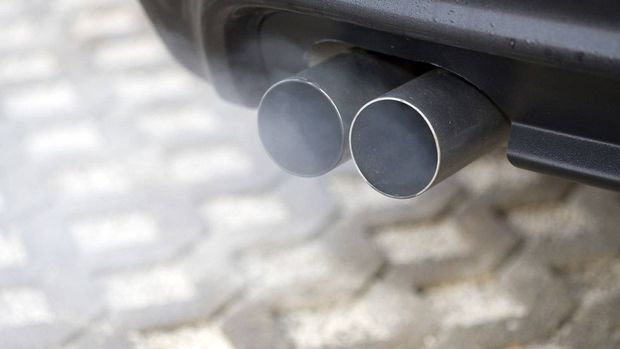
- Smoke and Residue: Check for any unusual smoke or black residue around the tailpipe. An excessive amount of smoke or soot could signal an issue with the combustion process in your vehicle, potentially contributing to the smell.
- Loose Connections: Ensure that the tailpipe is securely attached to the rest of the exhaust system. Loose connections can lead to exhaust leaks and those unwanted odors in your cabin.
- Condensation: Some water dripping from the tailpipe is normal, but excessive condensation or dripping may indicate a problem. It’s a good idea to get it checked out if you notice this.
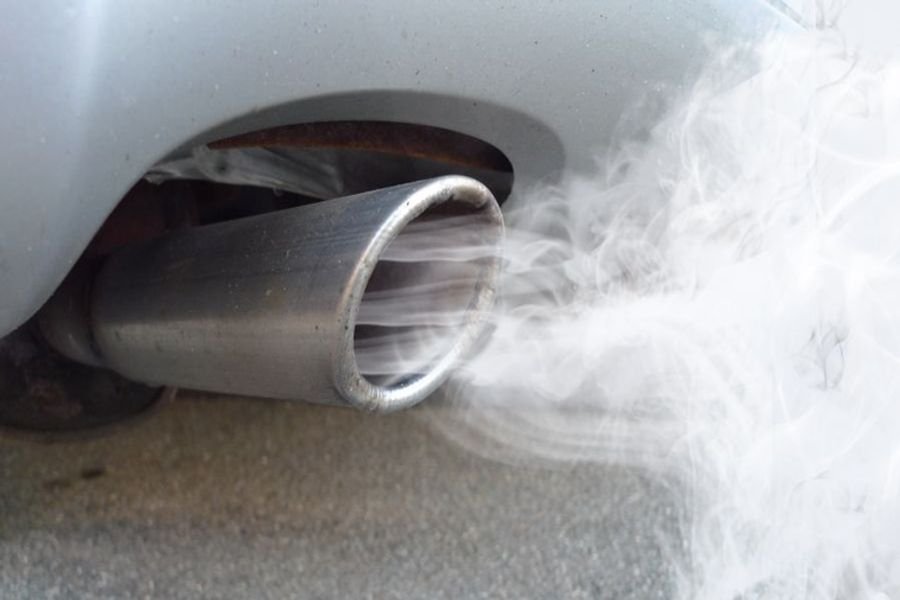
- Exhaust Gas: While running, pay attention to the exhaust gases coming out of the tailpipe. Unusual colors or a strong smell can be signs of an issue. If you see blue or white smoke, or if the exhaust has a strong, sweet smell, it’s time to get a professional opinion.
- Regular Maintenance: To prevent issues, maintain your tailpipe by cleaning it and removing any debris. Regular maintenance can go a long way in preventing exhaust problems.
Examine the Exhaust System:
Let’s get under the vehicle and examine the exhaust system when you’re dealing with that exhaust smell and fumes in your Maryland wheelchair-accessible vehicle, just as planning wheelchair-accessible fishing and angling experiences can be an enjoyable adventure. Your exhaust system is like a maze of pipes and components, and even a small issue within it can cause those unwanted odors to creep into your cabin. Start by looking for any signs of rust, corrosion, or visible holes along the exhaust pipes, from the manifold to the muffler. These are often telltale signs of trouble. Check the integrity of your catalytic converter, too. If it’s damaged, it can fail to clean up the exhaust gases properly. Don’t forget to inspect the exhaust hangers and mounts to ensure they’re holding the system securely in place. A loose or rattling exhaust system can spell trouble. Finally, if you’re not confident in your inspection skills, consider consulting a professional mechanic who can use diagnostic tools to pinpoint any issues within this intricate network of pipes.
Sealing Gaskets:
Those sealing gaskets in your Maryland wheelchair-accessible vehicle when you’re dealing with that exhaust smell and fumes. These gaskets serve as a crucial barrier to keep exhaust gases from escaping where they shouldn’t. Over time, they can wear out, become damaged, or simply lose their ability to seal effectively. It’s a bit like a leaky faucet – small at first, but it can lead to a bigger mess. If you suspect that the gaskets in your exhaust system aren’t doing their job, it’s worth checking for any hissing or hissing sounds near the joints in your exhaust system. That’s often a sign of gas escaping. Replacing these gaskets, if needed, can be a relatively straightforward fix and can make a world of difference in keeping your cabin free from exhaust odors. If you’re not confident doing this yourself, a mechanic can help you identify and replace any problematic gaskets.
Professional Inspection:
Sometimes, when you’re facing that persistent exhaust smell and fumes in your Maryland wheelchair-accessible vehicle, it’s time to call in the professionals. A professional inspection can save you a lot of time and headaches. They’ve got the expertise and the right diagnostic tools to pinpoint the exact issue causing those odors. It’s like going to a doctor when you’re not sure what’s ailing you; they can give your vehicle a thorough check-up and prescribe the necessary treatment. Mechanics can perform pressure tests, use exhaust gas analyzers, and inspect the entire system comprehensively. This is especially valuable if you’ve gone through the basics and still can’t identify the problem. So, don’t hesitate to seek the help of a skilled mechanic to get your vehicle back to providing a safe and odor-free ride.
Ventilation:
Don’t underestimate the power of good ventilation when you’re tackling that exhaust smell and fumes in your Maryland wheelchair-accessible vehicle, just as the reliability of wheelchair transportation services is essential for your mobility. Your vehicle’s ventilation system plays a key role in keeping the air inside fresh and clean. If it’s not working optimally, it might struggle to clear out those unpleasant odors. Start by checking your ventilation settings to make sure it’s set to bring in fresh outside air. Also, check your cabin air intake, which is usually located near the windshield wipers. Make sure it’s not blocked by debris or leaves, as this can hinder the intake of fresh air. Regularly changing your cabin air filter can also boost the effectiveness of your ventilation system. By ensuring your ventilation is in tip-top shape, you’ll be better equipped to keep that exhaust smell at bay and enjoy a pleasant ride around Maryland.
FAQ’s:
How can we solve the problem of exhaust fumes?
To solve the problem of exhaust fumes, identify and repair any leaks, damaged components, or malfunctions in the vehicle’s exhaust system.
What causes exhaust fumes to smell in the car?
Exhaust fumes in the car can smell due to leaks, damaged components, or improper combustion in the vehicle’s exhaust system.
What does smelling exhaust fumes mean?
Smelling exhaust fumes in or near a vehicle can indicate a potential issue with the exhaust system, which should be promptly inspected and repaired to prevent health risks.
What are the three major pollutants from exhaust fumes?
The three major pollutants from exhaust fumes are carbon monoxide (CO), nitrogen oxides (NOx), and hydrocarbons (HC).
What is used to remove gases from exhaust?
Catalytic converters are used to remove gases from exhaust by converting harmful pollutants like carbon monoxide, nitrogen oxides, and hydrocarbons into less harmful substances.
CONCLUSION:
In conclusion, addressing exhaust smell and fumes in your Maryland wheelchair-accessible vehicle is crucial for your safety and comfort on the road. We’ve covered a range of troubleshooting steps, from checking for leaks and damaged components to maintaining your exhaust system and cabin air filter. Remember that timely action can help you breathe easy during your travels. If you’ve gone through these steps and the issue persists, don’t hesitate to seek professional assistance. Your well-being is paramount, so keep those wheels turning and enjoy the ride, free from unwanted exhaust odors, across the beautiful state of Maryland.