
Welcome to the beautiful state of Virginia, known for its stunning landscapes, rich history, and diverse national parks. Whether you’re a nature enthusiast, history buff, or simply looking for a scenic getaway, Virginia’s national parks offer a wide range of experiences for every visitor. However, it’s essential to ensure that these natural wonders are accessible to everyone, regardless of their mobility or disability status. In this comprehensive guide by QRST Wheelchair Transportation, we will explore accessible transportation options in Virginia’s national parks, making it easier for all individuals to enjoy the beauty of these natural treasures.
Shenandoah National Park:
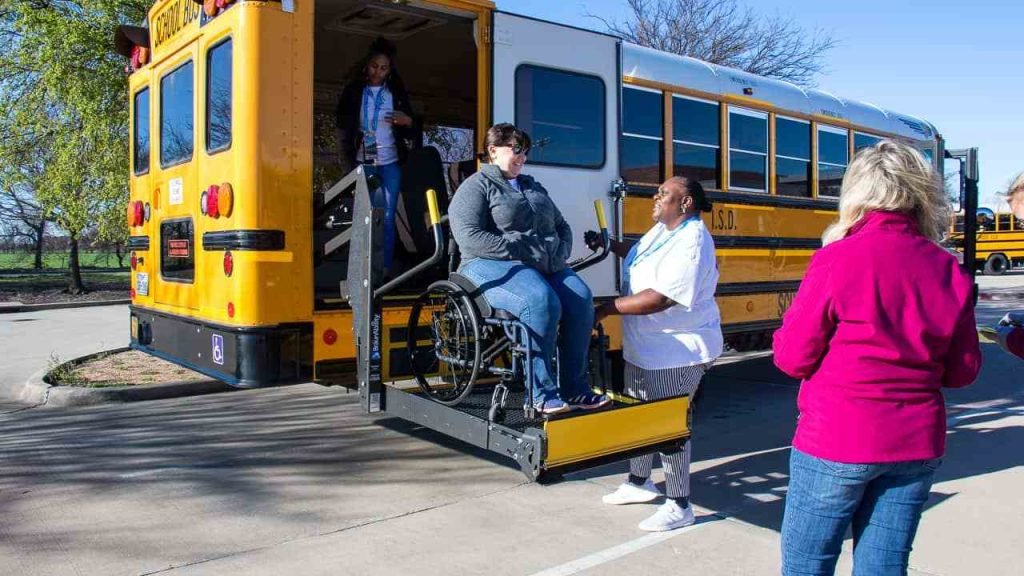
Shenandoah National Park, located in the picturesque Blue Ridge Mountains, is a haven for outdoor enthusiasts and wildlife lovers. To ensure that everyone can explore its beauty, the park offers several important wheelchair accessible transportation options.
- Shenandoah Transit System: The Shenandoah Transit System provides shuttle services with wheelchair lifts, making it accessible to individuals with mobility challenges. These shuttles operate seasonally and offer convenient access to popular viewpoints and trailheads.
- Skyline Drive: This iconic 105-mile road that winds through the park offers accessible pull-offs and overlooks for breathtaking views of the Shenandoah Valley. Visitors with limited mobility can enjoy the stunning scenery without leaving their vehicle.
- Accessible Trails: Shenandoah National Park features several accessible trails, such as Limberlost Trail and Story of the Forest Trail, designed to accommodate wheelchairs and mobility devices. These trails allow everyone to immerse themselves in the park’s natural beauty.
Conclusion for Shenandoah National Park:
Shenandoah National Park takes accessibility seriously, offering various transportation options and accessible trails to ensure that visitors of all abilities can experience its wonders.
Great Smoky Mountains National Park:
Great Smoky Mountains National Park, which straddles the border between North Carolina and Tennessee, is known for its biodiversity and stunning mountain landscapes. The park is committed to providing accessible transportation options t to enhance the visitor experience.
- Cades Cove Loop Road: This 11-mile one-way loop road provides opportunities for wildlife viewing and scenic beauty. It offers accessible pull-offs, restrooms, and picnic areas, ensuring that everyone can enjoy the picturesque valley.
- Oconaluftee River Trail: This accessible trail is located near the Oconaluftee Visitor Center and is suitable for wheelchairs and strollers. It offers a peaceful walk along the river, with opportunities to observe the park’s diverse flora and fauna.
- Shuttle Service: Great Smoky Mountains National Park offers a seasonal shuttle service that connects popular destinations within the park, including Clingmans Dome and Newfound Gap. Some shuttles are equipped with wheelchair lifts to accommodate all visitors.
- Accessible Campgrounds: The park features accessible campgrounds, such as Cades Cove and Smokemont, with accessible restrooms and campsites designed for individuals with disabilities.
Conclusion for Great Smoky Mountains National Park:
Great Smoky Mountains National Park’s commitment to accessibility is evident through its accessible roads, trails, shuttle services, and campgrounds, ensuring that everyone can experience its natural wonders.
Virginia’s national parks are treasures worth exploring, and they are dedicated to ensuring accessibility for all visitors. From the stunning landscapes of Shenandoah National Park to the biodiversity of Great Smoky Mountains National Park, there are transportation options and accessible features to cater to a wide range of abilities.
These efforts not only provide equitable access but also promote a deeper appreciation for the natural beauty and historical significance of these parks. As you plan your visit to Virginia’s national parks, rest assured that accessibility is a top priority, allowing you to create lasting memories while enjoying the wonders of the great outdoors. So, pack your bags, embark on your adventure, and immerse yourself in the splendor of Virginia’s national parks, knowing that they are ready to welcome you with open arms, regardless of your mobility or disability status.
Assateague Island National Seashore:
Assateague Island National Seashore, located on the Eastern Shore of Virginia, is famous for its pristine beaches, wild ponies, and diverse coastal ecosystems. This unique barrier island park is committed to providing accessible transportation options all around DMV to ensure that all visitors can enjoy its natural beauty.
- Beach Access: Assateague Island offers accessible beach access points equipped with beach wheelchairs that can be borrowed free of charge. These specialized wheelchairs are designed to navigate the sand, allowing individuals with mobility challenges to enjoy the surf and sun.
- Accessible Campgrounds: The park’s campgrounds, including Oceanside and Bayside, feature accessible campsites with amenities like accessible restrooms and showers. These accommodations make it convenient for individuals with disabilities to enjoy overnight stays.
- Visitor Centers: Assateague Island’s visitor centers are wheelchair accessible and offer information, maps, and exhibits that provide insights into the island’s unique ecosystems and history.
Conclusion for Assateague Island National Seashore:
Assateague Island National Seashore’s commitment to accessibility ensures that visitors of all abilities can experience the island’s natural wonders, from its pristine beaches to its diverse wildlife.
Colonial National Historical Park:
Colonial National Historical Park, which includes Jamestown and Yorktown, is a living history museum that offers a glimpse into America’s colonial past. Ensuring that this historical experience is accessible to all visitors is a priority for the park.
- Accessible Historic Sites: The park’s historic sites, including Jamestown Settlement and Yorktown Battlefield, are equipped with ramps, accessible pathways, and designated parking spaces for visitors with disabilities.
- Colonial Parkway: The scenic Colonial Parkway that connects Jamestown, Williamsburg, and Yorktown provides accessible pull-offs and viewpoints, allowing visitors to appreciate the beauty of the James River and surrounding landscapes.
- Interpretive Programs: Colonial National Historical Park offers interpretive programs and ranger-led tours with sign language interpreters and assistive listening devices, ensuring that everyone can engage with the history of the American Revolution and early colonial settlements.
Conclusion for Colonial National Historical Park:
Colonial National Historical Park’s efforts to make its historic sites and programs accessible ensure that visitors can step back in time and learn about America’s colonial history regardless of their mobility or disability status.
Appalachian Trail:
The Appalachian Trail, one of the longest continuous footpaths in the world, passes through Virginia, offering hikers a challenging and rewarding experience. While it may not be entirely accessible to all, there are efforts to make parts of the trail more inclusive.
- Accessible Trail Segments: Some sections of the Appalachian Trail in Virginia, including parts of Shenandoah National Park, offer accessible trail segments suitable for individuals with mobility challenges. These segments often feature boardwalks and gentle grades.
- Shuttle Services: Shuttle services are available in various towns along the Appalachian Trail in Virginia, such as Damascus and Waynesboro. Some shuttle providers offer accessible vehicles or can accommodate specific mobility needs upon request.
- Hiker Resources: Appalachian Trail organizations and trail clubs provide resources and guidance for hikers with disabilities, including information on accessible trail sections, gear recommendations, and tips for planning an inclusive hike.
Conclusion for Appalachian Trail:
While the Appalachian Trail is not fully accessible to everyone due to its rugged terrain, efforts are being made to provide accessible trail sections and support services, allowing individuals with disabilities to enjoy this iconic long-distance hike to the fullest extent possible.
Prince William Forest Park:
Prince William Forest Park, located just south of Washington, D.C., offers a serene escape into the wilderness. It is committed to ensuring that its natural beauty and recreational opportunities are accessible to all visitors.
- Accessible Trails: The park features accessible trails, including the Laurel Loop Trail, designed to accommodate wheelchairs and strollers in Virginia. These trails provide opportunities for visitors to immerse themselves in the park’s lush forests.
- Cabin Camps: Prince William Forest Park offers accessible cabin camps with ramp access, accessible restrooms, and other amenities, making it convenient for individuals with disabilities to enjoy overnight stays in a beautiful natural setting.
- Visitor Center: The visitor center at Prince William Forest Park is wheelchair accessible and provides information about the park’s history, ecology, and recreational opportunities.
FAQs
Is there public transportation in Virginia?
Yes, Virginia has various public transportation options, including buses, commuter trains, and the Metro system in Northern Virginia.
What are the accessible transportation options for people with disabilities and senior citizens in the Washington DC metropolitan area?
In the Washington DC metropolitan area, accessible transportation options for people with disabilities and senior citizens include MetroAccess, a paratransit service, and accessible buses and Metro stations with features like ramps and elevators to enhance mobility.
Is Harpers Ferry accessible?
Harpers Ferry National Historical Park offers limited accessibility, with accessible restrooms, parking, and some historic buildings equipped with ramps, but the rugged terrain can make certain areas challenging for those with mobility issues.
Conclusion
Virginia’s national parks, from the coastal beauty of Assateague Island to the historical richness of Colonial National Historical Park and the rugged wilderness of the Appalachian Trail, offer a wide range of accessible transportation options and facilities to cater to diverse visitor needs. These efforts not only provide equitable access but also promote a deeper appreciation for the natural and historical wonders of the state. As you plan your visit to these parks, rest assured that accessibility is a top priority, allowing you to create lasting memories while enjoying the wonders of the great outdoors, regardless of your mobility or disability status.