
When it comes to wheelchair-accessible vehicles in Virginia, ensuring a smoothly functioning battery is of paramount importance. A reliable battery is the lifeblood of these vehicles, as they power essential components like wheelchair lifts and ramps. Whether you’re a vehicle owner or a caregiver, understanding how to handle battery problems is crucial. In this brief guide, QRST Wheelchair Transportation will discuss common battery issues that can arise in these vehicles and offer practical tips on diagnosing and resolving them. By the end, you’ll be better equipped to keep your wheelchair-accessible vehicle on the move, providing freedom and independence to those who rely on them.
Regular Maintenance:
Regular maintenance for your wheelchair-accessible vehicle is crucial to ensure it remains in tip-top shape and serves you well in Virginia. Just like any other vehicle, it’s essential to keep an eye on various aspects. This includes checking the battery, tires, brakes, and other vital components. Regular maintenance can help you spot potential issues before they become major headaches and can also prolong the life of your vehicle. In addition to the benefits of door-to-door wheelchair transportation, don’t forget to follow the manufacturer’s recommended maintenance schedule, and if you’re not sure what needs to be done, consulting with a professional technician who specializes in wheelchair-accessible vehicles is a smart move. Trust me; it’s much easier to prevent problems than to deal with unexpected breakdowns. So, make it a habit to give your vehicle the care it deserves.
Monitor Battery Health:
Keeping an eye on your wheelchair-accessible vehicle’s battery health is like checking your own well-being – it’s a simple yet crucial step. You’ll want to regularly gauge the battery’s condition to ensure your vehicle remains reliable in Virginia. Most modern vehicles are equipped with built-in battery management systems that can give you insights into the battery’s state of charge and overall health. Pay attention to warning lights or notifications on your dashboard, and don’t ignore them. If your battery isn’t holding a charge like it used to, it’s time to take action. Regular monitoring will help you catch issues early, potentially saving you from the hassle of a dead battery at an inconvenient time. So, keep an eye on your battery, and if you notice anything unusual, consult with a specialist to keep your vehicle rolling smoothly.
Charging Routine:
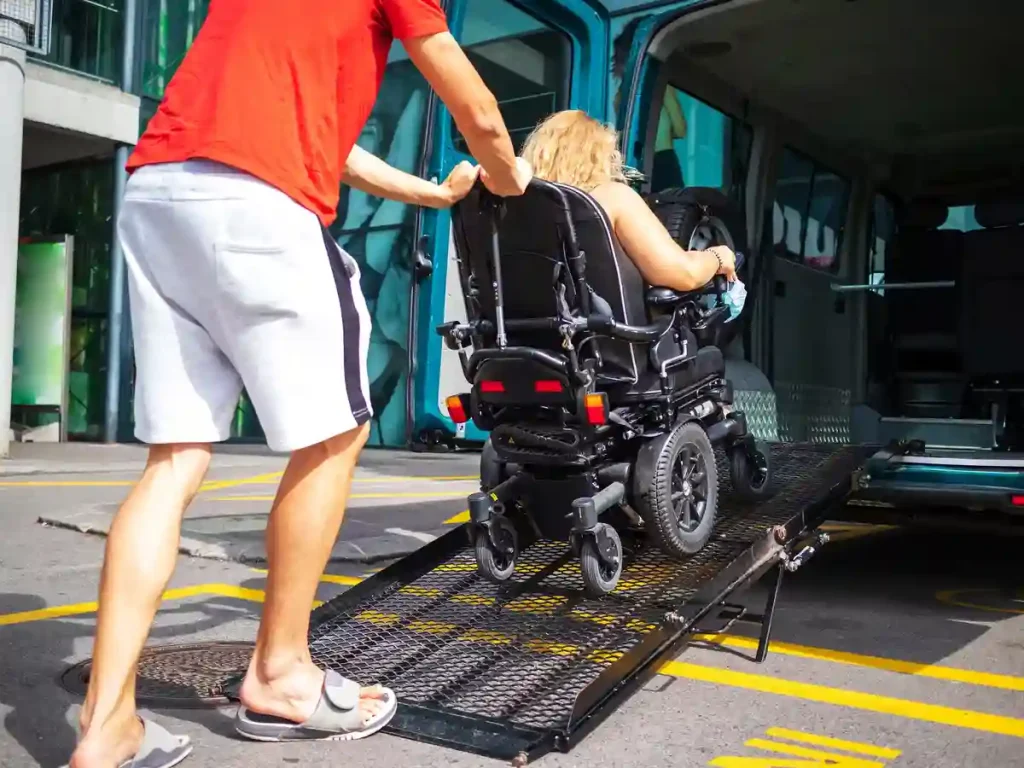
“Establishing a consistent charging routine for your wheelchair-accessible vehicle is a simple yet essential habit to maintain its performance and ensure it’s always ready when you need it in Virginia. Just like your phone or laptop, your vehicle’s battery appreciates regular top-ups. After each use, take the time to plug it in for a charge, even if it’s not completely depleted. Most modern vehicles are designed to handle frequent charging, and it’s an excellent way to keep the battery in good shape. Follow the manufacturer’s recommendations for charging frequency, and make sure you’re using the right charger for your specific vehicle. A routine charging schedule not only maximizes your vehicle’s availability but also helps prevent the inconvenience of a drained battery when you’re out and about in Virginia. So, keep that charger handy and make charging part of your regular routine. Additionally, when planning outings in Virginia, don’t forget to explore wheelchair-friendly music venues to enjoy live performances to the fullest.
Use the Right Charger:
- Manufacturer’s Recommendation: Always check the manufacturer’s manual or guidelines for the recommended charger. It’s like following a recipe – you want to use the right ingredients for the best result.
- Compatibility Matters: Ensure that the charger is compatible with your vehicle’s battery system. Mismatched chargers can lead to overcharging or undercharging, potentially damaging the battery.
- Voltage and Amperage: Pay attention to the charger’s voltage and amperage ratings. Using a charger with the wrong specifications can be risky and harm your battery.
- Avoid Generic Chargers: While generic chargers might seem like a cost-effective option, it’s often safer to stick with chargers recommended by your vehicle’s manufacturer.
- Portable Chargers: If you carry a portable charger, make sure it’s designed for your specific vehicle model and has the right connectors. One-size-fits-all may not apply here.
- Quality Matters: Invest in a high-quality charger. It might cost a bit more, but it’s a wise investment in your vehicle’s longevity and reliability.
Using the correct charger is like giving your vehicle the right fuel – it keeps things running smoothly and prevents potential problems down the road in Virginia.
Inspect for Damage:
Inspecting your wheelchair-accessible vehicle’s battery and its connections for damage is a simple yet crucial practice to ensure your vehicle stays dependable in Virginia. Think of it like giving your car a quick checkup, similar to when you rely on wheelchair transportation services. Regularly examine the battery for any signs of physical damage, like cracks, leaks, or bulges. Corrosion on the terminals or loose wires can also cause problems, so keep an eye out for those issues. A damaged battery or connections not only affect your vehicle’s performance but can be a safety hazard. By catching these problems early through routine inspections, you can save yourself from unexpected breakdowns and potentially costly repairs. So, make it a habit to give your battery and its connections a once-over to keep your vehicle in top shape.
Store in a Controlled Environment:
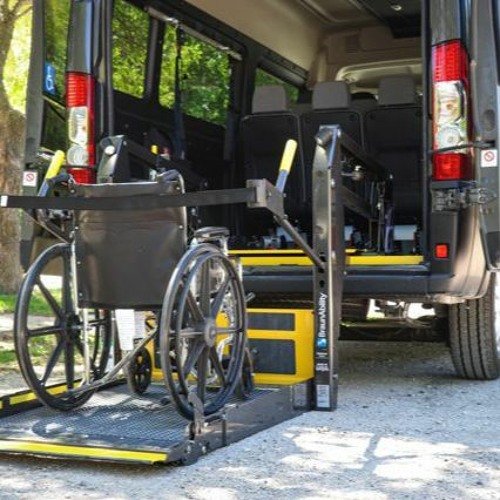
Storing your wheelchair-accessible vehicle in a controlled environment is a smart move to maintain its longevity, especially in the ever-changing weather of Virginia. Think of it like providing a cozy home for your vehicle. Extreme temperatures, whether it’s scorching summer heat or freezing winter cold, can take a toll on your battery and other components. Find a cool, dry place for your vehicle when it’s not in use, like a garage or covered parking. If indoor storage isn’t an option, consider using a protective cover to shield your vehicle from the elements. Keeping your vehicle in a controlled environment not only extends its life but also ensures it’s always ready for your mobility needs, come rain or shine in Virginia.
Jump-Starting:
Jump-starting your wheelchair-accessible vehicle can be a lifesaver in case the battery ever goes flat, and it’s a skill worth knowing. Imagine it as giving your vehicle a friendly boost. To jump-start, you’ll need a set of jumper cables and another vehicle with a working battery. Start by connecting the cables properly – red to the positive (+) terminal and black to the negative (-) terminal. Once the cables are in place, start the working vehicle and let it run for a few minutes. Then, try starting your accessible vehicle. If it starts, that’s great! If not, it might be time to consult a professional for further assistance. Keep in mind that jump-starting should be done carefully, following the safety instructions in your vehicle’s manual, and it can get you back on the road when you need it most in Virginia.
Seek Professional Help:
- Expert Diagnosis: When you face vehicle problems that you can’t easily identify or fix, it’s time to reach out to a qualified technician. They have the expertise and equipment to diagnose the issue accurately.
- Specialized Knowledge: Look for professionals who specialize in wheelchair-accessible vehicles. Their specific knowledge can make a significant difference in understanding and resolving mobility-related problems.
- Correct Repairs: Trusting professionals ensures that repairs and maintenance are done correctly, preventing any further complications and maintaining the safety of your vehicle.
- Preventive Maintenance: Regular visits to a professional service center can help identify potential issues before they become major problems, saving you time and money in the long run.
- Warranty Protection: If your vehicle is under warranty, getting professional help ensures you don’t inadvertently void the warranty by attempting DIY repairs.
- Safety First: Your safety is paramount. Professionals are trained to follow safety protocols and ensure that your wheelchair-accessible vehicle is in good working condition.
- Certified Technicians: Look for technicians who are certified and experienced in handling adaptive vehicle technology and equipment to ensure the best care for your vehicle.
Seeking professional help is like visiting a doctor when you’re not feeling well – it’s the responsible choice to keep your wheelchair-accessible vehicle running smoothly and ensuring your safety on the roads of Virginia.
Battery Replacement:
When it’s time for a battery replacement in your wheelchair-accessible vehicle, think of it as giving your ride a fresh burst of energy. Over time, batteries can lose their ability to hold a charge, affecting your vehicle’s reliability. If you notice that your battery isn’t performing as it should or if it’s reached the end of its expected lifespan, don’t hesitate to consider a replacement. Consult with a professional who specializes in accessible vehicles to help you select the right battery for your specific model. They can ensure it’s the correct size, voltage, and capacity to keep you moving smoothly in Virginia. Much like planning a wheelchair-friendly wedding, a new battery can significantly improve your vehicle’s performance and reliability, so don’t put off this essential upgrade when the time comes.
FAQ’s:
How do I make my car wheelchair friendly?
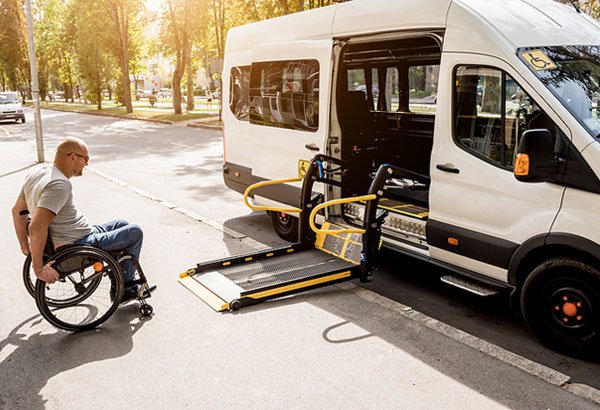
To make your car wheelchair-friendly, consider installing a wheelchair ramp or lift, securing the wheelchair with tie-downs, and creating enough space for easy entry and exit.
How do you secure a wheelchair in a transit van?
To secure a wheelchair in a transit van, use wheelchair restraints like four-point tie-down systems with straps and a lap and shoulder belt to ensure safety and stability during transportation.
How do you secure a wheelchair in a boot?
To secure a wheelchair in a boot (trunk), use an internal restraint system or a sturdy strap-down method to prevent movement and ensure safety during transportation.
How do you transport a power wheelchair?
To transport a power wheelchair, use a wheelchair-accessible vehicle equipped with a ramp or lift system, secure the wheelchair with restraints, and ensure proper safety measures are in place.
What are wheelchair restraints?
Wheelchair restraints are specialized systems, like tie-downs and lap/shoulder belts, used to secure wheelchairs in vehicles to ensure they stay safely in place during transportation.
CONCLUSION:
In conclusion, properly addressing battery problems in wheelchair-accessible vehicles and promoting accessible transportation options is essential for maintaining reliability and mobility in Virginia. Regular maintenance, monitoring battery health, using the right charger, inspecting for damage, storing the vehicle in a controlled environment, and seeking professional help when needed are vital steps. These measures not only ensure your vehicle is ready when you need it but also contribute to your safety and peace of mind. By taking proactive steps and seeking professional guidance when necessary, you can enjoy the convenience and freedom that your wheelchair-accessible vehicle and Accessible Transportation Options provide.