
When it comes to wheelchair transportation in Virginia, the choice between door-to-door and curb-to-curb service can be a pivotal decision for individuals with mobility challenges. In this guide, QRST Wheelchair Transportation Service will explore the differences between the two options. Door-to-door transportation provides a higher level of convenience by picking passengers up at their homes and ensuring they’re safely delivered right to their destination’s doorstep. On the other hand, curb-to-curb service involves meeting passengers at a designated curb or entrance, often requiring them to manage the transition from the curb to the vehicle independently. Each option has its pros and cons, and understanding the differences is essential for making the right choice that best suits an individual’s specific needs and preferences.
Door-to-Door Wheelchair Transportation:
Convenience:
When it comes to convenience, door-to-door wheelchair transportation takes the lead. Picture this: you don’t have to wheel yourself to the curb or wait outside for your ride to arrive. Instead, the transportation provider comes right to your doorstep, making the entire process a lot smoother and hassle-free. It’s like having a chauffeur service tailored to your specific mobility needs. They’ll assist you in and out of the vehicle, handle any wheelchair securing, and ensure you’re comfortable during the journey.
Assistance:
When it comes to assistance, door-to-door wheelchair transportation shines. With door-to-door service, you can expect a higher level of personalized help. The driver or attendant will not only pick you up from your home but also assist you in getting into and out of the vehicle. They’ll make sure your wheelchair is securely fastened, ensuring your safety and comfort throughout the entire journey. It’s like having a caring companion, making your transportation experience much more stress-free.
Privacy:
Privacy is an essential factor to consider when it comes to wheelchair transportation services in Virginia, especially when considering the cost comparison of wheelchair transportation. Door-to-door services excel in this aspect. They offer a higher level of privacy because the entire journey is catered specifically to you. You won’t have to wait outside or at the curb, and there’s no need to share the vehicle with other passengers. The driver or attendant will pick you up from your home and transport you directly to your destination. This ensures a more private and personal experience, making it a great choice if you value your privacy or have special needs that require a more isolated journey.
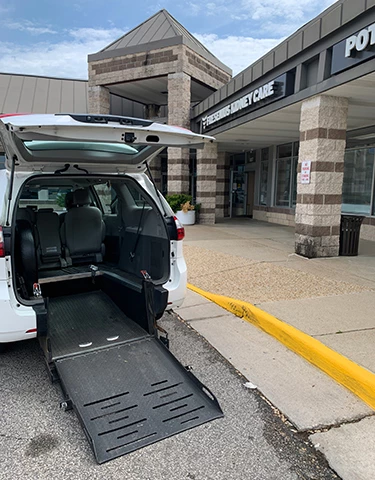
Booking:
- Advance Reservations: Door-to-door wheelchair transportation services typically require you to make advance reservations. It’s a good idea to plan your trips ahead of time, especially if you have specific pick-up and drop-off times.
- Appointment-Based Service: Door-to-door services operate on an appointment basis. This means you’ll need to schedule a specific time for the service provider to pick you up from your home. Make your reservation as early as possible to secure your preferred time slot.
- Contacting the Provider: You can usually book door-to-door services by contacting the transportation provider directly. Most companies offer options for booking via phone, online, or through dedicated mobile apps. Choose the method that’s most convenient for you.
- Provide Important Details: When making a reservation, be prepared to provide important details such as your address, the date and time of your trip, and any specific requirements or preferences you may have. This ensures the service provider can meet your needs effectively.
- Confirmation and Communication: After booking, you should receive a confirmation of your appointment. It’s important to establish clear communication with the service provider, so they fully understand your requirements and can provide the necessary assistance.
- Consider Peak Times: Keep in mind that during peak times or on busy days, door-to-door services may experience high demand. To ensure your reservation is honored, it’s advisable to book well in advance, particularly for critical appointments like medical visits or important events.
- Cancellations and Changes: Be aware of the cancellation policy for your chosen door-to-door service. Sometimes, last-minute cancellations or changes to your booking can result in fees, so make sure you understand the terms and conditions when booking.
In summary, booking door-to-door wheelchair transportation in Virginia involves making advance reservations, providing essential details, confirming your appointment, and being mindful of the provider’s policies, especially during peak hours. By planning ahead and communicating effectively, you can ensure a smooth and reliable transportation experience tailored to your specific needs.
Cost:
Cost is an important consideration for many individuals who rely on these services, especially when they’re looking for wheelchair-friendly music venues. Door-to-door wheelchair transportation services are typically known for their higher cost when compared to curb-to-curb options. This is because door-to-door services offer added convenience, personalized assistance, and the comfort of home pick-up. While the price may be higher, it’s important to remember that you’re paying for a more tailored and often more comfortable experience, particularly if you have limited mobility and require additional assistance.
Curb-to-Curb Wheelchair Transportation:
Affordability:
Curb-to-curb services are often considered the more budget-friendly option when it comes to wheelchair transportation. These services, which may be associated with public transit systems or other providers, are designed to offer cost-effective transportation solutions. They are particularly suitable for individuals who are comfortable with some level of self-reliance, including getting themselves to the curb for pick-up and managing their wheelchair during the journey. Curb-to-curb services usually come at a lower cost, making them an attractive choice for those who are budget-conscious or looking for economical transportation options in Virginia. This affordability can be especially appealing for regular, everyday travel needs.

Independence:
Curb-to-curb wheelchair transportation services in Virginia can provide a sense of independence to passengers, especially when they’re seeking accessible transportation options for national parks. These services are designed for individuals who are relatively self-reliant and comfortable with maneuvering their wheelchairs to the curb for pick-up. Curb-to-curb services often allow passengers to exercise more control and autonomy during the boarding and disembarking process, as they are responsible for moving themselves to and from the vehicle. This level of independence can be empowering for those who value their ability to manage their transportation needs without extensive assistance. It’s an option that caters to passengers who appreciate the freedom to navigate and board the vehicle independently while still receiving necessary assistance with securing their wheelchair inside the vehicle.
Scheduling Flexibility:
Curb-to-curb wheelchair transportation services in Virginia often come with a higher degree of scheduling flexibility, making them an attractive choice for passengers. Since many of these services are associated with public transit systems or operate on more frequent schedules, passengers can enjoy greater flexibility when it comes to planning their trips. Curb-to-curb services tend to offer shorter waiting times, making it easier to secure a ride on relatively short notice. This flexibility is particularly beneficial for those who need to make spontaneous trips or those who have varying transportation needs that may not fit a rigid schedule. Curb-to-curb services provide passengers with more options and quicker access to transportation, ensuring they can get to their destinations in a timely manner.
Public Transport:
- Integration with Public Transit: Curb-to-curb wheelchair transportation services are often part of or integrated with public transit systems in Virginia. They are designed to provide accessible options within the larger public transportation network.
- Coverage Area: Curb-to-curb services can cover a broader area, including urban, suburban, and rural regions. This makes them more accessible to a wider range of passengers, including those living in less densely populated areas.
- Fixed Routes: Some curb-to-curb services might operate on fixed routes, similar to traditional bus services. Passengers can access these routes at designated stops, making it convenient for regular commuters.
- Frequent Schedules: Curb-to-curb services often offer more frequent schedules, ensuring passengers have a higher likelihood of finding a ride at various times throughout the day. This flexibility can be especially useful for those who have varying transportation needs.
- Affordability: Curb-to-curb services are typically budget-friendly, aligning with the affordability of public transportation. They can be a cost-effective choice for passengers who rely on public transport and need wheelchair-accessible options.
- Accessible Vehicles: Public transit curb-to-curb services provide accessible vehicles equipped to accommodate passengers with mobility challenges, including secure wheelchair tie-downs and ramps for easy boarding.
In summary, curb-to-curb wheelchair transportation services in Virginia, often integrated with public transit, offer a comprehensive and accessible transportation solution for passengers living in various regions, providing affordability and frequent scheduling options to meet their diverse needs.

CONCLUSION:
In conclusion, the choice between door-to-door and curb-to-curb wheelchair transportation services in Virginia should be based on individual needs, mobility level, and budget considerations. Individuals who require a higher level of assistance and convenience may opt for door-to-door services, while those with greater mobility independence and a tighter budget may find curb-to-curb services to be a more practical choice. Ultimately, both options aim to provide accessible and reliable transportation solutions for individuals with mobility challenges in Virginia, ensuring they can maintain their quality of life and participate in their communities.