In the vibrant landscapes of Colombia, where rich culture meets diverse communities, the need for accessible transportation services has gained significant attention. Navigating the bustling streets and picturesque terrains can be challenging for wheelchair users. This has sparked a movement advocating for improved wheelchair transportation services across the country. As the rhythm of salsa echoes through Colombian cities, a growing chorus of voices calls for inclusivity, ensuring that everyone, regardless of mobility, can fully embrace the beauty of this South American gem. Join QRST Wheelchair Transportation on a journey where wheels roll freely, breaking barriers and paving the way for a more accessible Colombia.
Challenges Faced:
In the vibrant tapestry of Colombia, the challenges faced by wheelchair users navigating daily life are like puzzles waiting to be solved. Maneuvering through the lively streets, which are steeped in culture and history, presents a unique set of obstacles. From uneven pavements to narrow alleyways, the urban landscape often feels like an unintentional obstacle course. Public transportation, while abundant, falls short in providing the necessary accessibility features, leaving many wheelchair users grappling with limited mobility options. The advocacy for wheelchair transportation services stems from the real, everyday struggles — the frustration of inaccessible spaces and the longing for a Colombia where every corner is open and welcoming to all, regardless of their mode of mobility. It’s a call for inclusivity, recognizing that the true beauty of Colombia lies in its ability to embrace and accommodate every individual, ensuring that no one is left behind in the rhythmic dance of daily life.
Advocacy Initiatives:
In the heart of Colombia, a groundswell of advocacy initiatives, including efforts to enhance transportation options for individuals with autoimmune diseases, is reshaping the narrative around accessibility. Fueled by passionate individuals and grassroots organizations, these movements are the driving force behind a push for comprehensive improvements in wheelchair transportation services. From community-driven campaigns to engaging dialogues with policymakers, advocates are weaving a tapestry of change. There’s a palpable energy as people come together, sharing stories, strategies, and dreams of a more inclusive Colombia. These initiatives aren’t just about changing policies; they’re about changing mindsets. They aim to bridge gaps, making accessibility a shared responsibility and weaving it into the fabric of societal consciousness. The heartbeat of these initiatives resonates with the belief that in an inclusive Colombia, mobility is a right, not a privilege. It’s a journey where each step forward is a victory for a more accessible and harmonious future.

Community Engagement:
In the colorful mosaic of Colombian communities, the call for wheelchair accessibility is not just a distant echo but a lively conversation happening at the grassroots level. Community engagement is the heartbeat of this movement, where neighbors become advocates and streets transform into forums for change. Local residents actively participate, sharing experiences and insights that breathe life into the advocacy for wheelchair transportation services. In everyday conversations, there’s a growing awareness that accessibility isn’t just a personal issue but a collective responsibility. Whether it’s organizing local events or fostering dialogues within neighborhoods, the emphasis is on building bridges of understanding. It’s about creating spaces where everyone, regardless of mobility, feels not just included but celebrated. In these community-driven efforts, the spirit of togetherness becomes a powerful catalyst for change, painting a vision of a Colombia where accessibility is not a distant goal but a shared reality.
Legislative Impact:
- Policy Prioritization:
- Lawmakers prioritize wheelchair accessibility in transportation as a critical aspect of inclusive urban planning.
- Advocacy initiatives shape the legislative agenda, putting accessibility at the forefront.
- Legal Framework Development:
- Collaborations between activists and government bodies lead to the development of a supportive legal framework.
- New laws and regulations focus on mandating accessibility features in public transportation.
- Incentives for Businesses:
- Legislators introduce incentives for businesses to invest in wheelchair-accessible infrastructure and services.
- Financial benefits encourage businesses to proactively enhance accessibility.
- Public Awareness Campaigns:
- Legislative efforts include public awareness campaigns to educate citizens about the importance of wheelchair accessibility.
- The goal is to foster a culture of inclusivity through both legal measures and public understanding.
- Compliance Monitoring:
- Government agencies work with advocacy groups to monitor and enforce compliance with accessibility regulations.
- Regular audits ensure that public and private entities adhere to the established standards.
- Collaboration with Advocacy Organizations:
- Legislative bodies actively engage with advocacy organizations to understand the nuances of accessibility challenges.
- This collaborative approach leads to informed and effective policy-making.
- International Benchmarking:
- Legislators benchmark international best practices, incorporating successful models from other countries into Colombian legislation.
- The global exchange of ideas contributes to a more robust and effective legal framework.
- Continuous Improvement:
- Legislative impact is an ongoing process, with lawmakers committed to regular reviews and updates to address emerging accessibility needs.
- The focus is on adaptive policymaking to ensure sustained progress.
- Celebrating Milestones:
- Legislative achievements are celebrated as victories for inclusivity, reflecting the collaborative efforts of advocates, lawmakers, and the community.
- Each milestone signals a step closer to a Colombia where accessibility is ingrained in the fabric of society.
Technological Innovations:
In the ever-evolving landscape of Colombia’s accessibility journey, technological innovations, including advancements addressing transportation for wheelchair users in inclement weather, are emerging as the unsung heroes, reshaping the way we think about wheelchair transportation services. Collaborating with tech developers, advocacy groups are spearheading the creation of user-friendly apps and platforms designed to empower wheelchair users. Imagine a world where a simple tap on a smartphone app seamlessly summons an accessible ride, navigating the twists and turns of Colombian streets with ease. These innovations extend beyond transportation, with tech wizards exploring cutting-edge solutions that enhance overall accessibility, from smart navigation tools to augmented reality aids. The movement recognizes the power of technology as a catalyst for change, bridging gaps and transforming the urban landscape into a more inclusive and interconnected space. As the wheels of progress turn, technology becomes the engine propelling Colombia towards a future where accessibility isn’t just a feature but an integral part of daily life.

Cultural Integration:
In the rhythmic heartbeat of Colombia, the advocacy for wheelchair accessibility seamlessly intertwines with the nation’s vibrant cultural tapestry. It’s not just about ramps and pathways; it’s about weaving inclusivity into the very soul of daily life. Picture festivals where dance floors are as welcoming to wheels as they are to feet, and street markets where everyone, regardless of mobility, can navigate with joy. Cultural integration in the advocacy movement is about creating a Colombia where accessibility isn’t an afterthought but an integral part of the celebration. The beat of salsa echoes through spaces designed for all, embodying the spirit of a nation that embraces diversity in every step and roll. As Colombian culture and accessibility dance hand in hand, the movement paints a vivid picture of a society where inclusion is the melody that resonates from city squares to remote villages.
Education and Awareness:
In the heart of Colombia’s accessibility revolution, education and awareness emerge as guiding lights, illuminating a path towards a more inclusive society, including discussions on door-to-door vs. curb-to-curb wheelchair transportation. It’s about more than just ramps and accessible spaces; it’s a collective awakening to the daily challenges faced by wheelchair users. Picture community workshops where personal stories are shared, dismantling misconceptions and fostering empathy. The movement places a premium on educating the public, turning everyday conversations into opportunities for understanding. It’s a journey of breaking down barriers, one conversation at a time, where schools, workplaces, and neighborhoods become classrooms for a lesson in inclusivity. As awareness spreads like wildfire, it sparks a cultural shift, transforming mere acceptance into a celebration of diversity. In this educational symphony, the melody is one of compassion, and the harmony is a future where everyone moves forward together, regardless of the wheels they use.
International Collaboration:
- Global Networking:
- Advocacy groups in Colombia actively engage with international counterparts, creating a network of shared knowledge and experiences.
- Collaborative platforms facilitate the exchange of ideas and strategies for enhancing wheelchair accessibility.
- Cross-Cultural Learning:
- International collaboration allows Colombian advocates to learn from successful accessibility models in other countries.
- Cultural exchange enriches the understanding of diverse approaches to inclusivity.
- Resource Sharing:
- Partnerships with global organizations enable the sharing of resources, from technological innovations to best practices in legislation.
- Collective efforts leverage a broader pool of expertise and support.
- Joint Research Initiatives:
- Collaborative research projects with international partners focus on advancing accessibility technologies and solutions.
- Shared studies contribute to a more comprehensive understanding of global trends in wheelchair transportation.
- Advocacy Campaigns on the Global Stage:
- Colombian advocates take part in global advocacy campaigns, shedding light on the unique challenges faced in the country.
- This participation amplifies the international conversation on the importance of wheelchair accessibility.
- Policy Harmonization:
- Collaborative efforts extend to aligning Colombian accessibility policies with international standards.
- This harmonization facilitates smoother global mobility for individuals with disabilities.
- Crisis Response Collaboration:
- During crises or emergencies, international collaboration ensures a coordinated response to safeguard the mobility and well-being of wheelchair users.
- Swift communication channels become crucial for sharing resources and support.
- Capacity Building:
- International collaboration involves training programs and workshops, building the capacity of Colombian advocates to drive change effectively.
- Skill-sharing enhances the ability to navigate the complexities of advocating for accessibility.
- Joint Advocacy Events:
- Colombia hosts joint advocacy events with international partners, creating platforms for shared experiences and showcasing progress.
- Such events foster a sense of global solidarity in the pursuit of inclusive mobility.
- Mutual Inspiration:
- The collaboration serves as a source of inspiration, with success stories from different parts of the world motivating and energizing the Colombian advocacy movement.
- A shared vision for a more accessible world becomes a powerful driving force for change.
The Future Vision:
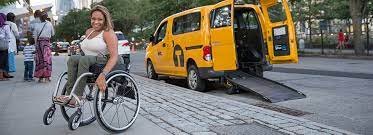
In the crystal ball of Colombia’s future, the vision is one where the wheels of progress spin freely for everyone, regardless of their mode of mobility, including enhanced wheelchair transportation services. It’s a future where wheelchair accessibility isn’t just a checkbox but an ingrained part of the nation’s identity. Picture bustling Colombian cities where accessible transportation isn’t the exception but the norm, where ramps and inclusive spaces are as commonplace as the warmth of the people. The future holds a promise of a society where every individual, with or without wheels, can navigate the streets, parks, and cultural events with ease and joy. It’s a vision of inclusivity that goes beyond infrastructure, permeating the very essence of daily life. As the advocacy movement propels Colombia forward, the future unfolds as a tapestry of acceptance, understanding, and celebration, where diversity isn’t just embraced but woven into the fabric of the nation’s progress.
FAQ’s:
Is Colombia wheelchair accessible?
Colombia is working towards greater wheelchair accessibility, with ongoing efforts to improve infrastructure and transportation services for individuals with mobility challenges.
Which country is the most wheelchair accessible?
It’s challenging to determine a single “most wheelchair-accessible” country, but countries like Sweden, Canada, and Australia are often praised for their comprehensive accessibility features and infrastructure.
How do I advocate for accessibility?
Advocate for accessibility by raising awareness, engaging with local communities, collaborating with relevant organizations, and urging policymakers to prioritize and implement inclusive measures.
What is the accessibility of transportation?
Transportation accessibility refers to the extent to which various modes of transportation accommodate and cater to the needs of individuals with disabilities, ensuring inclusive and barrier-free mobility.
What is wheelchair accessibility?
Wheelchair accessibility involves designing spaces, infrastructure, and transportation to accommodate individuals using wheelchairs, ensuring they can navigate and participate in various activities independently and with ease.
CONCLUSION:
In the vibrant landscape of Colombia, the journey toward wheelchair accessibility and improved transportation services is a testament to the power of collective advocacy. As the movement gains momentum, weaving inclusivity into the cultural fabric and legislative framework, a more accessible Colombia emerges on the horizon. The shared vision is one where the rhythm of daily life harmonizes with the beat of inclusivity, celebrating diversity and ensuring that every individual, regardless of mobility, can traverse the country’s enchanting landscapes with dignity. The conclusion of this advocacy story signals not just an end but a new beginning—a chapter where the wheels of progress continue to roll, paving the way for a truly inclusive and accessible Colombia.