In Colombia, accessing reliable transportation is crucial for individuals with autoimmune diseases to manage their health effectively. Whether it’s traveling to medical appointments, picking up medications, or simply getting around, having safe and convenient transportation options can significantly impact the quality of life for those with autoimmune conditions. In this discussion, QRST Wheelchair Transortation will explore some of the transportation choices available in Colombia, from public transit to specialized services, and how they can cater to the unique needs of individuals with autoimmune diseases, making their journeys more comfortable and manageable.
Public Transit:
Public transit in Colombia offers a convenient and affordable option for getting around, but it’s not without its quirks. The country’s public transportation system varies from city to city, with major urban areas like Bogotá, Medellín, and Cali having more developed networks. Buses and metro systems are commonly used, and they usually have designated seating for people with disabilities, which can be a relief for those with autoimmune diseases. However, it’s important to be prepared for crowds during rush hours and the occasional delays, so planning your trips during off-peak times can make the experience more comfortable. Overall, public transit is a practical choice, but knowing the specific conditions in your city can help you navigate it more effectively.
Specialized Transport Services:
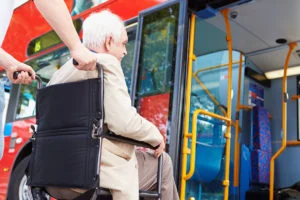
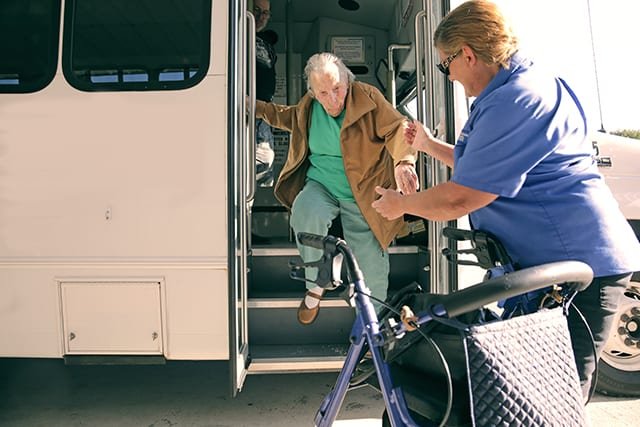
In larger Colombian cities, specialized transport services are a real game-changer for individuals with autoimmune diseases. These services are tailored to meet the unique needs of people with disabilities, offering a more personalized and comfortable way to get around. They often provide door-to-door assistance, which is a significant benefit, especially for those who require extra support. These vehicles are equipped with ramps or lifts, making it easier for wheelchair users to board and disembark. What’s great about these services is that they prioritize accessibility, ensuring a smoother and more convenient experience for passengers. So, if you’re in a city that offers specialized transport, it can be a lifeline for individuals managing autoimmune conditions, granting them greater mobility and independence.

Taxis:
Taxis in Colombia can be a convenient and flexible transportation option for individuals with autoimmune diseases. Many taxi companies now offer wheelchair-accessible vehicles, which is a significant improvement in accessibility. When booking a taxi, it’s important to mention any specific requirements or mobility aids you may need, ensuring a smoother and more comfortable ride. However, it’s a good idea to keep in mind that the availability of these accessible taxis may vary from city to city. So, whether you’re traveling to a medical appointment or just need to get around town, taxis can provide door-to-door service and the convenience of being able to call one when you need it.
Rideshare Apps:
- Convenience: Rideshare apps like Uber and Cabify offer a convenient way to request transportation with just a few taps on your smartphone. This can be especially helpful when you need to get to medical appointments or run errands.
- Accessibility Options: These apps typically provide options for requesting accessible vehicles. Users can specify their needs, such as wheelchair-accessible vehicles or drivers trained to assist passengers with disabilities.
- Real-Time Tracking: Rideshare apps allow you to track the arrival of your driver in real-time, which can alleviate the stress of waiting and wondering when your ride will arrive.
- Cashless Transactions: Payments are made electronically through the app, eliminating the need for cash and making the entire process more straightforward.
- Driver Ratings and Feedback: Rideshare apps allow passengers to rate their drivers, which promotes accountability and helps ensure a positive experience. If you encounter any issues, you can provide feedback to the company.
- Affordability: Rideshare services can often be cost-effective, making them a budget-friendly choice for transportation.
- Door-to-Door Service: Rideshare drivers can pick you up and drop you off at your preferred locations, providing a door-to-door service that can be especially beneficial for those with mobility challenges.
- Variety of Vehicle Options: Depending on your specific needs, you can choose from various vehicle types, including standard cars, larger vehicles, and even luxury options.
- Safety Features: Rideshare apps often include safety features like sharing your trip details with friends or family, giving you an added layer of security.
- Availability: Rideshare services are available in many Colombian cities, offering widespread coverage for individuals with autoimmune diseases, making it easier to find a ride when you need one.
Keep in mind that the availability of these services can vary depending on your location within Colombia, so it’s a good practice to check the app in your specific area to see which services are available and accessible.
Medical Transport Services:
Medical transport services can be a crucial lifeline for individuals managing autoimmune diseases in Colombia. These services are designed to cater to those with specific healthcare needs, ensuring a safe and comfortable journey to medical appointments or treatments. They often offer well-equipped vehicles with trained staff who can provide assistance as required. The convenience of door-to-door service and the peace of mind that comes with knowing your medical transport is specialized for your needs can make a significant difference. Many healthcare facilities collaborate with these services, making it easier for patients to access necessary care. So, if you’re facing regular medical appointments or treatments, these specialized transport services can be a reliable and reassuring option in your healthcare journey, even when dealing with wheelchair locking mechanism failures.
Nonprofit Organizations:
Nonprofit organizations in Colombia play a crucial role in supporting individuals with autoimmune diseases by offering transportation services tailored to their unique needs. These organizations often understand the challenges faced by people with autoimmune conditions and provide accessible transportation options. They aim to ensure that those who require medical appointments or assistance in daily life have the means to get around safely and comfortably. By collaborating with these organizations, individuals can access reliable and often cost-effective transportation, reducing the barriers that might otherwise impede their mobility and overall well-being. These nonprofit services exemplify the power of community support and can make a significant difference in the lives of those managing autoimmune diseases.
Personal Vehicles:
For some individuals with autoimmune diseases in Colombia, using their personal vehicles is a preferred mode of transportation. Having your own car can offer a sense of control and flexibility, allowing you to adapt it to your specific needs. Many individuals may equip their vehicles with modifications such as hand controls, wheelchair lifts, or other accessibility features, making it more convenient to get around. While it provides independence, it’s essential to ensure that your vehicle is regularly maintained to avoid unexpected breakdowns. Additionally, having a valid driver’s license and adhering to traffic rules and safety measures are crucial. Personal vehicles can be a comfortable and personalized solution, especially for those who require frequent trips for medical appointments or daily activities, with options like empowering independence through wheelchair-accessible van rentals.
Pedestrian-Friendly Areas:
- Well-Maintained Sidewalks: Some urban areas in Colombia have invested in well-maintained sidewalks, making it easier for pedestrians, including individuals with autoimmune diseases, to get around comfortably.
- Ramp Access: Many of these pedestrian-friendly areas have ramps at intersections and crossings, ensuring that individuals with mobility challenges can navigate the terrain safely.
- Ample Seating: You’ll often find benches and seating areas along these walkways, providing opportunities to rest if needed during your journey.
- Accessible Public Facilities: These areas may also offer accessible public restrooms, water fountains, and other amenities, making it more convenient for individuals with autoimmune conditions.
- Supportive Infrastructure: Cities that prioritize pedestrian-friendliness may have supportive infrastructure like tactile paving, audible signals at crossings, and clear signage to assist those with visual or auditory impairments.
- Reduced Traffic: Some pedestrian zones restrict vehicular traffic, creating a quieter and safer environment for people to walk or use mobility aids with less concern about traffic congestion.
- Cultural and Commercial Hubs: These areas often cluster around cultural or commercial hubs, providing opportunities for individuals to access services, shopping, and recreational activities on foot.
- Community Engagement: Local communities may actively engage with urban planners and authorities to advocate for better pedestrian infrastructure, further improving accessibility.
Travel Assistance Programs:
Travel assistance programs in Colombia can be a significant support for individuals with autoimmune diseases. These government or local initiatives aim to alleviate the financial burden of transportation for those facing health-related challenges. They often provide subsidies or financial assistance to help cover the costs of travel, whether it’s getting to medical appointments or accessing necessary treatments. These programs can make a notable difference in ensuring that healthcare is accessible to all, regardless of one’s financial situation. If you’re managing an autoimmune condition, exploring the availability and eligibility for such travel assistance programs can be a practical step to enhance your access to necessary care and maintain your overall well-being, even while exploring indigenous culture.
FAQ’s:
Can you travel with an autoimmune disease?
Yes, it’s possible to travel with an autoimmune disease, but careful planning, including medical considerations and accessible transportation, is essential to ensure a safe and enjoyable journey.
Where is the best place to treat autoimmune diseases?
The best place to treat autoimmune diseases may vary depending on the specific condition, but major medical centers and specialists in cities with advanced healthcare facilities, like the Mayo Clinic in the United States or the Charité in Germany, are often sought after for their expertise.
What country has the most autoimmune diseases?
The prevalence of autoimmune diseases varies worldwide, but some countries with higher reported rates include the United States, Canada, and countries in Western Europe.
What is the best lifestyle for autoimmune disease?
The best lifestyle for managing autoimmune diseases often involves a combination of a well-balanced diet, regular exercise, stress management, and adherence to prescribed medications, tailored to the individual’s condition, with guidance from healthcare professionals.
What is the hardest autoimmune disease to diagnose?
Lupus (Systemic Lupus Erythematosus) is often considered one of the most challenging autoimmune diseases to diagnose due to its diverse and fluctuating symptoms.
CONCLUSION:
In conclusion, Colombia offers a range of transportation options for individuals managing autoimmune diseases, ensuring that they have choices to suit their specific needs. From accessible public transit and specialized transport services to the convenience of rideshare apps and nonprofit organizations’ support, there are valuable resources available. These transportation solutions, along with careful planning and the support of healthcare professionals, can significantly improve the quality of life for individuals with autoimmune diseases in Colombia, enhancing their access to medical care and daily activities.