When it comes to transportation for wheelchair users in inclement weather in Maryland, the challenges can be daunting. Harsh weather conditions like snow, rain, or sleet can make getting around in a wheelchair a real struggle. Maryland’s unpredictable weather adds an extra layer of complexity. Finding accessible, safe, and reliable transportation options is crucial for wheelchair users during adverse weather. In this guide, QRST Wheelchair Transportation Service will explore various transportation solutions and tips to help individuals with mobility challenges navigate Maryland’s less-than-ideal weather, ensuring they can move around with confidence and comfort.
Accessible Public Transportation:
Accessible public transportation in Maryland can be a lifeline for wheelchair users, especially in inclement weather. The state is committed to providing options that cater to the needs of individuals with mobility challenges. Most cities offer accessible buses and trains equipped with ramps or lifts, making it easier for wheelchair users to board and travel comfortably. These services are vital when the weather takes a turn for the worse, ensuring that individuals can get to work, medical appointments, or just run errands without worrying about the elements. It’s important to check local transit authorities for information on accessible routes, schedules, and any weather-related service disruptions to plan your journeys effectively and stay mobile, even when the weather is less than ideal.
Paratransit Services:
Paratransit services are a fantastic resource for wheelchair users in Maryland, especially during inclement weather. These services are designed specifically for people with disabilities and provide door-to-door transportation. When the weather turns nasty, and using regular public transportation becomes challenging, paratransit steps in to bridge the gap. Wheelchair users can schedule rides in advance, ensuring they have a reliable and accessible means of getting to their destinations. These services offer a crucial lifeline, whether it’s a snowy winter day or a rainy afternoon, making sure individuals with mobility challenges can maintain their independence and not be hindered by the weather. If you’re in need of such services, check with your local transit authority for eligibility requirements and booking procedures, ensuring you can stay mobile, come rain or shine.
Ride-Sharing Services:
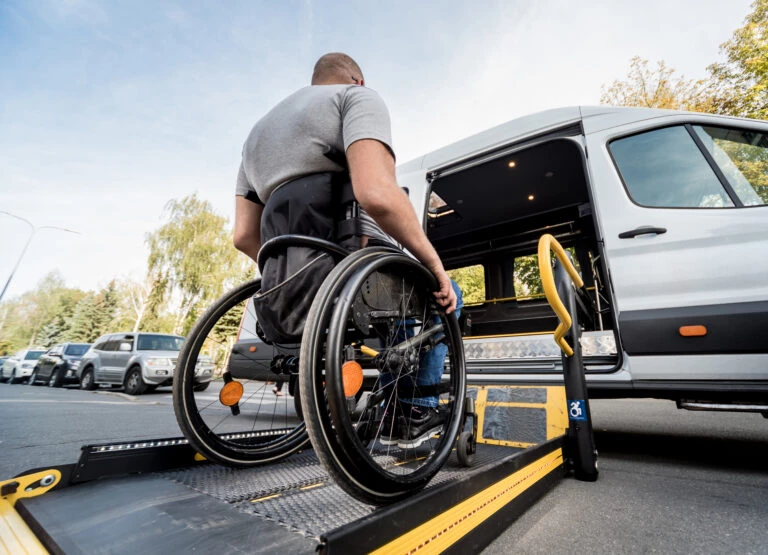
Ride-sharing services like Uber and Lyft have revolutionized transportation options for wheelchair users in Maryland, highlighting the crucial role of dispatch in wheelchair transportation. When inclement weather hits, these apps come to the rescue. They offer accessible vehicle options, and when booking a ride, you can specify your mobility needs, ensuring that a suitable vehicle arrives at your doorstep. This convenience is a game-changer, especially during harsh weather conditions. Whether you need to get to work, a doctor’s appointment, or simply meet friends, these services provide a reliable and flexible solution. They put the power of mobility back in your hands, no matter what the weather throws your way. Just make sure to keep your phone charged and the app handy, and you can navigate Maryland’s unpredictable weather with ease.
Wheelchair-Accessible Taxis:
- Availability: In cities like Baltimore, you can find taxi companies that have a fleet of wheelchair-accessible vehicles. These are specially equipped to accommodate individuals with mobility challenges.
- Easy Booking: Call or use a taxi app to book a wheelchair-accessible taxi. Some companies even allow you to schedule rides in advance.
- Accessible Features: These taxis typically come with features like ramps or lifts, secure tie-downs for wheelchairs, and spacious interiors to ensure a comfortable and safe ride.
- Driver Training: Drivers of these taxis are usually trained to assist passengers with disabilities, making the experience smoother.
- Cost Considerations: While accessible taxis can be slightly more expensive, it’s a reliable and convenient option, especially during adverse weather, when you might not want to rely on other forms of transportation.
- Local Options: Research and make a list of taxi companies in your area that offer these services, so you’re prepared when you need a ride.
Wheelchair-accessible taxis can be a dependable solution, ensuring you have transportation options during inclement weather and maintaining your mobility.
Plan Ahead:
Planning ahead is a smart strategy for wheelchair users in Maryland, especially when dealing with unpredictable and inclement weather. Keeping an eye on weather forecasts can help you schedule your outings during milder conditions, reducing exposure to harsh elements. It’s a good idea to plan your trips well in advance, so you’re not caught off guard by sudden weather changes. Check transportation schedules, routes, and any potential service disruptions, especially if you rely on public transportation or paratransit services. Additionally, make sure your wheelchair is in good condition and equipped with suitable tires or accessories that can handle adverse weather. By planning ahead and staying prepared, you can navigate Maryland’s challenging weather with confidence and minimal disruptions to your daily routines.
Access Maryland:
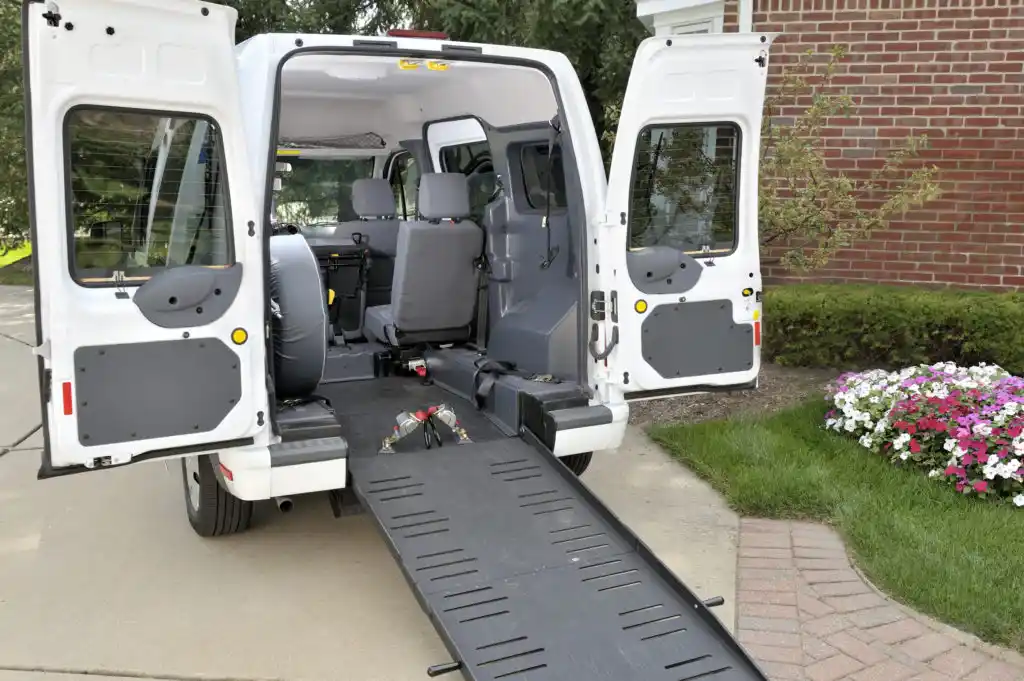
Access Maryland, the state’s Department of Transportation initiative, is a valuable resource for individuals with disabilities, including those who use wheelchairs, when dealing with inclement weather. This program offers a wealth of information, services, and support to ensure accessible and safe transportation. You can find information on accessible transportation options, state regulations, and even contact details for local transit authorities. Access Maryland also provides resources for disaster preparedness, which can be incredibly helpful during severe weather events. So, if you’re a wheelchair user in Maryland and need guidance on how to navigate the state’s transportation systems during inclement weather or troubleshoot wheelchair vehicle exhaust smell and fumes, Access Maryland is the go-to hub for valuable information and assistance.
Portable Ramps and Covers:
Portable ramps and covers are like your secret weapons when it comes to dealing with inclement weather as a wheelchair user in Maryland. These handy tools can make a world of difference in ensuring your mobility and safety. Portable ramps come in various sizes and can help you navigate curbs, stairs, or uneven surfaces, like snow or slush, with ease. They provide that much-needed accessibility. And when it’s raining or snowing, wheelchair covers act as shields, keeping you and your chair dry. It’s a simple yet effective way to prevent discomfort and potential damage. So, consider investing in these handy accessories to stay prepared and tackle whatever weather challenges come your way in Maryland.
Local Disability Organizations:
- Resource Hub: Local disability organizations are invaluable resources for individuals with disabilities, including wheelchair users. They can provide information on accessible transportation options, services, and support in your area.
- Community Network: Joining these organizations can connect you with a community of individuals facing similar challenges. You can exchange tips, experiences, and learn about the best transportation solutions for inclement weather.
- Advocacy and Support: Disability organizations often advocate for improved transportation services and accessibility. They can offer assistance in navigating bureaucratic processes and ensuring your rights are upheld.
- Emergency Planning: Many of these organizations offer resources for emergency preparedness, which can be vital during severe weather events. They can help you create a plan for staying safe and mobile.
- Local Expertise: These organizations often have insights into the specific challenges and resources available in your local area, making them a great starting point for your transportation needs.
By connecting with local disability organizations, you can tap into a wealth of knowledge and support to enhance your mobility and cope with inclement weather conditions in Maryland.
Assistance from Friends and Family:
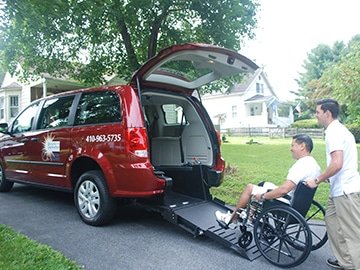
Assistance from friends and family can be a lifeline for wheelchair users in Maryland when inclement weather strikes. Don’t hesitate to reach out to your loved ones when you need help getting around during challenging conditions. Whether it’s a ride to work, a grocery store trip, or simply some extra hands to navigate icy sidewalks, the support of friends and family can make a world of difference. Communication is key, so don’t be shy about asking for help, and be sure to plan your outings together, so everyone is on the same page. Their willingness to assist can greatly enhance your mobility and ensure you’re not isolated during unfavorable weather, or while exploring wheelchair-accessible waterfalls and natural wonders.
FAQ’s:
What is Maryland Medical Assistance transportation Program?
The Maryland Medical Assistance Transportation Program (MATP) provides transportation assistance for eligible Medicaid recipients to access medical services.
What is Maryland Department of transportation called?
The Maryland Department of Transportation is commonly referred to as “MDOT.”
What does the Maryland transportation Authority do?
The Maryland Transportation Authority (MDTA) manages and operates toll facilities and bridges, ensuring safe and efficient transportation in the state.
Does Maryland have public transportation?
Yes, Maryland has a comprehensive public transportation system, including buses, trains, and light rail, serving various regions within the state.
What are the problems with transportation in Maryland?
One major problem with transportation in Maryland is traffic congestion, particularly in the Baltimore and Washington, D.C. metropolitan areas.
CONCLUSION:
In conclusion, navigating inclement weather in Maryland as a wheelchair user presents its challenges, but there are various accessible transportation options and strategies to overcome them. Accessible public transportation, paratransit services, ride-sharing apps, and wheelchair-accessible taxis can provide essential solutions. Planning ahead and utilizing resources like Access Maryland can enhance mobility and preparedness, while portable ramps and covers offer practical support. Connecting with local disability organizations and seeking assistance from friends and family can further bolster your ability to stay mobile. Maryland’s commitment to improving transportation accessibility continues to evolve, ensuring that wheelchair users can travel safely and confidently, regardless of the weather.