Dispatch plays a crucial role in wheelchair transportation in Maryland, serving as the logistical heartbeat of the operation. This unsung hero coordinates the movement of wheelchair-accessible vehicles, ensuring they reach passengers on time. Dispatchers juggle various factors, from traffic conditions to client needs, to deliver a smooth and reliable service. Their role isn’t just about scheduling rides; it’s about providing mobility and independence to those who rely on wheelchairs. In this conversational tone, QRST Wheelchair Transportation will explore how dispatchers make a real difference in the lives of Maryland residents with mobility challenges and how their work keeps the wheels of accessible transportation turning smoothly.
Scheduling and Coordination:
Scheduling and coordination are like the beating heart of wheelchair transportation in Maryland. It’s where the magic happens. Dispatchers, the real unsung heroes, are the maestros behind this crucial task. They’re the ones who make sure that passengers get from point A to point B on time, every time. Imagine the chess game they’re playing daily, considering factors like traffic snarls, weather, and unexpected road closures. Their job is to ensure that passengers with mobility challenges can rely on a smooth and reliable service, no matter what obstacles pop up. It’s not just about sticking to a schedule; it’s about providing a lifeline to those who depend on wheelchair-accessible rides. Without scheduling and coordination, the wheels of this essential service wouldn’t turn nearly as smoothly.
Client-Centered Approach:
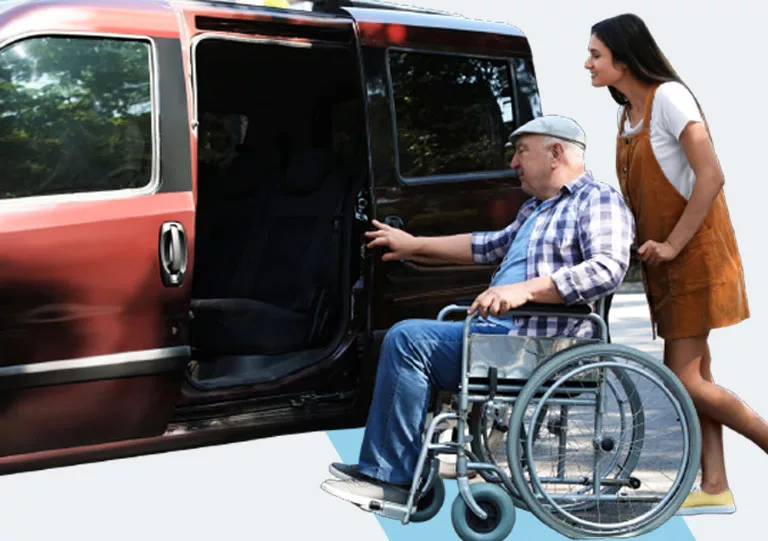
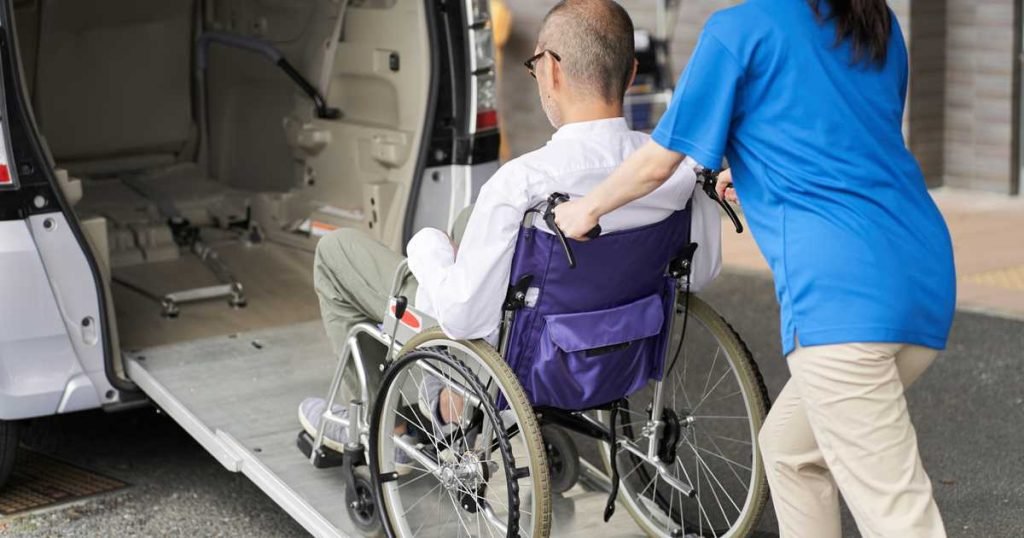
The client-centered approach is the heart and soul of troubleshooting wheelchair-accessible vehicle transmission issues in Maryland. Dispatchers aren’t just managing vehicles; they’re focused on the people inside those wheelchairs. It’s all about understanding and meeting the unique needs of passengers, especially those with mobility challenges. Dispatchers ensure that the vehicles are equipped to accommodate wheelchairs and make the whole experience as seamless as possible. They know that for these passengers, reliable and accommodating transportation isn’t a luxury; it’s a lifeline. Whether it’s assisting with a smooth boarding process, taking into account special medical requirements, or simply offering a friendly and reassuring voice over the phone, their dedication to passenger comfort and satisfaction is unwavering. In Maryland’s wheelchair transportation, the client is always at the center, and it’s dispatchers who ensure their needs are met with care and compassion.
Emergency Response:
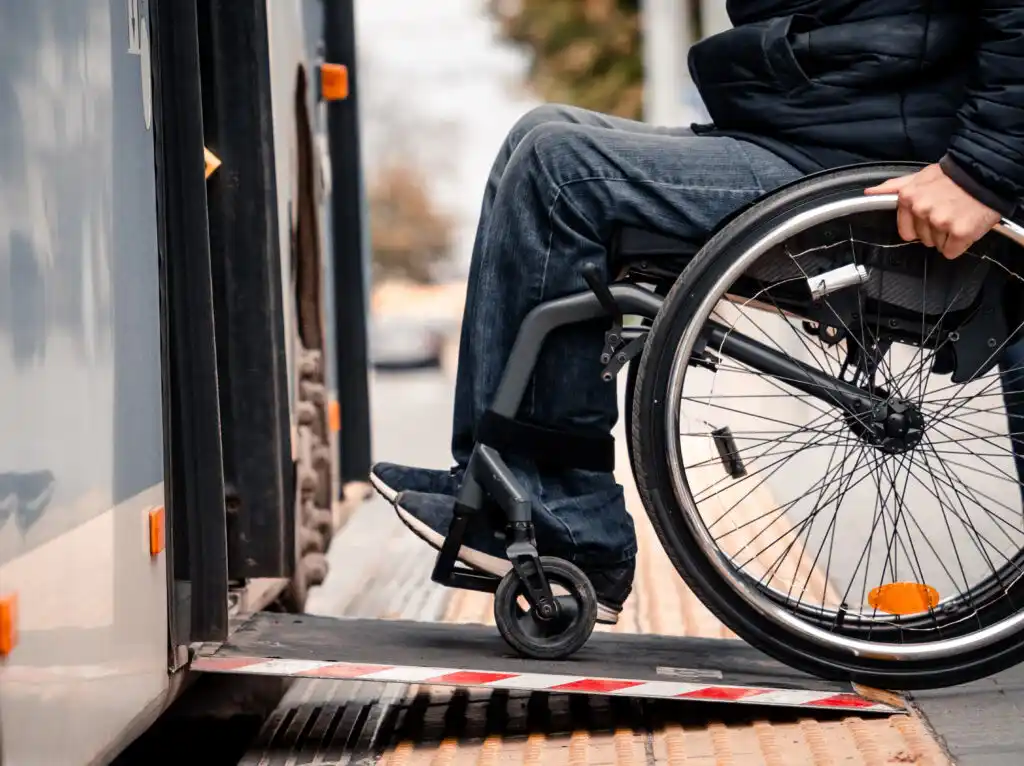
Emergency response is a critical aspect of wheelchair transportation in Maryland, and dispatchers are the unsung heroes who keep things running smoothly even in unexpected situations. They’re like the calm captains of the ship when stormy weather hits. If a passenger faces a sudden health issue or there’s a vehicle breakdown, dispatchers step into action. They swiftly adjust schedules, reroute vehicles, and ensure everyone’s safety. It’s their quick thinking and problem-solving skills that make all the difference. They’re like the safety net, ready to catch any curveball that comes their way. When you’re dealing with vulnerable passengers, having a team that excels in emergency response is absolutely crucial, and Maryland’s wheelchair transportation system owes much of its reliability to these dedicated professionals.
Communication Hub:
Think of dispatchers as the bustling communication hub of wheelchair transportation in Maryland, always keeping everyone in the loop. They’re like the central switchboard, relaying vital information between drivers, passengers, and the central office. This ensures that everyone is on the same page, and any changes or updates are quickly and accurately shared. Whether it’s a change in pickup location, a request for assistance, or simply keeping track of vehicle locations, dispatchers are the linchpin that holds the operation together. Their ability to keep the lines of communication open is what makes the entire system work smoothly, giving passengers peace of mind and drivers the support they need to get passengers where they need to go. It’s the kind of behind-the-scenes work that often goes unnoticed but is absolutely indispensable.
Driver Support:
Driver support is like the secret sauce that keeps the wheels of troubleshooting wheelchair vehicle exhaust smell and fumes in Maryland turning smoothly. Dispatchers play a pivotal role in aiding the drivers throughout their journeys. They’re like the co-pilots, offering real-time updates on traffic conditions and helping drivers navigate the best routes. This support isn’t just about getting from A to B but ensuring that it’s done efficiently and safely. They’re the ones who are in constant contact with drivers, providing guidance and helping them overcome any challenges they may face on the road. Their behind-the-scenes assistance ensures that drivers can focus on providing a comfortable and reliable ride to passengers, which is at the heart of this crucial service. It’s truly a team effort, and driver support from dispatchers is a cornerstone of it all.
Problem Solvers:
- Quick Thinking: Dispatchers are like the crisis managers of the operation. They respond swiftly to unexpected issues, like vehicle breakdowns or last-minute passenger needs.
- Resource Allocation: When a problem arises, they figure out the best resources to allocate, whether it’s sending a replacement vehicle, adjusting schedules, or finding an alternative solution.
- Route Optimization: They’re pros at finding alternate routes if traffic jams or road closures threaten to delay a ride. It’s all about ensuring passengers reach their destinations on time.
- Clear Communication: Dispatchers maintain clear and open lines of communication with drivers, passengers, and the central office. This helps ensure that everyone involved knows what’s happening and what to expect.
- Adaptive Solutions: They’re flexible problem solvers, customizing solutions to fit the unique needs of each passenger and situation. No two problems are the same, and they treat them accordingly.
- Stay Calm Under Pressure: Even in high-pressure situations, like medical emergencies, dispatchers remain calm and composed, making decisions that prioritize safety and efficiency.
- Quality Control: They also play a role in quality control, ensuring that problems are tracked, resolved, and used as opportunities for improvement in the future.
In the world of wheelchair transportation in Maryland, dispatchers are the go-to experts when things don’t go as planned. Their ability to solve problems efficiently is what keeps the service reliable and dependable for those who rely on it.
Record Keeping:
Record keeping in the realm of wheelchair transportation in Maryland is like the memory bank of the entire operation. Dispatchers are the meticulous archivists who maintain accurate records of every trip. They ensure that all the details, from pick-up times to drop-off locations, are properly documented. These records are more than just paperwork; they’re essential for reporting, quality control, and ensuring accountability. By keeping these detailed records, dispatchers help the whole system run smoothly, providing a basis for analyzing and improving the service. It’s their dedication to precision that makes sure each journey is tracked and that the service maintains the high standards that passengers depend on. In a way, they’re the keepers of the transportation history, and their role is pivotal in making sure things stay on track.
Adapting to Unique Needs:
Adapting to unique needs is at the core of Maryland’s top destinations for wheelchair users, and dispatchers are the agile problem-solvers who make it happen. They’re like the chameleons of the operation, always ready to adjust to the specific requirements of each passenger. Whether it’s knowing the locations of accessible facilities, accommodating passengers with medical needs, or even understanding the preferences of regular travelers, dispatchers tailor the service accordingly. They understand that every passenger is different, and their adaptability ensures that individuals with mobility challenges get the support and comfort they deserve. In a world where one-size-fits-all just doesn’t work, dispatchers are the key to personalizing the transportation experience, making it safe and comfortable for everyone they serve.
Continuous Improvement:
- Feedback Loop: Dispatchers actively seek feedback from passengers and drivers to understand what’s working well and what could be better.
- Data Analysis: They use data from past trips to identify trends and areas where the service can be enhanced.
- Training and Development: Dispatchers stay up-to-date with new technologies and best practices, ensuring they are well-equipped to handle changing needs.
- Process Refinement: They contribute to refining the scheduling and coordination process to make it more efficient and passenger-friendly.
- Adapting to Regulations: Keeping abreast of evolving regulations and standards in the transportation industry is vital for continuous improvement.
- Innovation: Dispatchers explore new technologies and tools that can streamline operations and enhance the passenger experience.
- Collaboration: They work closely with drivers and other staff to implement changes and improvements effectively.
In the dynamic world of wheelchair transportation, the commitment to continuous improvement by dispatchers ensures that the service keeps evolving to meet the changing needs and expectations of passengers, making it more efficient, reliable, and passenger-centric.
FAQ’s:
What is the role of a transport dispatcher?
The role of a transport dispatcher is to coordinate and manage the movement of vehicles, ensuring efficient and timely transportation services while responding to unexpected challenges and emergencies.
What is a wheelchair dispatcher?
A wheelchair dispatcher is responsible for scheduling and coordinating accessible transportation services for individuals with mobility challenges, ensuring they receive safe and reliable rides.
What is the role of a warehouse dispatcher?
The role of a warehouse dispatcher is to coordinate the movement of goods, vehicles, and personnel within a warehouse or distribution center to optimize efficiency and meet delivery schedules.
How does a dispatcher work?
A dispatcher works by managing and coordinating the allocation of resources, whether vehicles, personnel, or goods, to ensure smooth operations and timely deliveries while responding to real-time challenges and changes.
Is dispatcher a skilled job?
Yes, being a dispatcher typically requires a combination of organizational, communication, problem-solving, and decision-making skills, making it a skilled job.
CONCLUSION:
In conclusion, dispatch plays a pivotal role in wheelchair transportation in Maryland, functioning as the backbone of the entire operation. From scheduling and coordination to emergency response and client-centered care, dispatchers are the unsung heroes who make it all possible. They adapt to unique needs, maintain meticulous records, and continuously seek ways to improve the service. In the world of accessible transportation, they are the steady hands that ensure passengers with mobility challenges can move with dignity, independence, and peace of mind. Their commitment to a seamless and reliable service truly makes a difference in the lives of those they serve.