
If you’re in Virginia and need wheelchair transportation services, you’re probably wondering about the cost. We understand that it’s crucial to find reliable and affordable options to ensure that you or your loved one can get around comfortably. In this article, QRST Wheelchair Transportation provide you with a cost comparison of wheelchair transportation services in Virginia. We’ll explore different providers, their pricing structures, and any potential discounts or subsidies that may be available. By the end of this article, you’ll have a better understanding of your options and be better equipped to make an informed decision regarding wheelchair transportation in Virginia. Let’s get started!
Medicaid Transportation Services:
Medicaid transportation services can be a significant help for those in need of wheelchair transportation in Virginia. If you’re eligible for Medicaid, you might find these services to be a financial lifesaver. They are often designed to cover the costs of transporting individuals to medical appointments, including wheelchair users. Medicaid can significantly reduce your out-of-pocket expenses, making it more affordable to get to necessary healthcare appointments or other essential destinations. To take advantage of these services, you’ll typically need to check your eligibility and contact your local Medicaid office to arrange transportation. It’s an excellent option for those who qualify, as it ensures you can access the transportation you need without worrying about the costs.
Private Wheelchair Transport Providers:
When it comes to private wheelchair transport providers in Virginia, the key thing to remember is that they offer flexibility and convenience. These services are available for individuals who might not be covered by Medicaid or other assistance programs. The costs can vary quite a bit. Some providers charge on a per-mile basis, while others have a flat fee for local trips, with long-distance journeys usually incurring higher rates. The level of assistance required, like help with boarding or additional wait times, can also influence the price. It’s a good idea to shop around and compare the rates and services offered by different private providers to find the one that best suits your needs and budget. Private providers can be a great option if you value flexibility and personalized service.

Non-Profit Organizations:
Non-profit organizations in Virginia play a crucial role in providing affordable wheelchair transportation services, along with addressing safety belt and harness problems. These organizations often focus on assisting individuals who might be facing financial challenges or other difficulties. What’s great about them is that they sometimes offer wheelchair transportation at reduced or sliding scale rates, ensuring that those in need can access essential transportation without breaking the bank. Some non-profits even go the extra mile by providing free or low-cost rides to people facing specific hardships. These services can be a true lifeline for those who require wheelchair transportation but may not have access to the financial resources to cover the full cost. If you’re looking for cost-effective options and support from a caring community, non-profit organizations can be a fantastic resource to explore.
Medicare Advantage Plans:
- Medicare Advantage Plans (Part C):
- Medicare Advantage Plans are private health insurance plans that offer an alternative to Original Medicare (Part A and Part B).
- These plans often include additional benefits, which can sometimes cover wheelchair transportation services.
- Variability in Coverage:
- The availability and extent of transportation coverage can differ from one Medicare Advantage plan to another.
- It’s crucial to check your specific plan’s details to understand what it offers.
- Types of Transportation Services:
- Some plans may cover non-emergency medical transportation, including wheelchair-accessible vehicles, for getting to medical appointments.
- They can also include trips to pharmacies or other healthcare-related destinations.
- Eligibility and Restrictions:
- Not all Medicare Advantage beneficiaries automatically qualify for transportation benefits.
- You may need to meet certain criteria, such as having a medical necessity for wheelchair transport.
- Cost-Sharing:
- While some plans may offer transportation benefits with no additional cost to the beneficiary, others might require copayments or deductibles.
- Review your plan’s terms to understand your potential out-of-pocket expenses.
- Coordination with Transportation Providers:
- Some plans work with specific transportation providers or networks, while others may allow you to choose from a broader range of providers.
- Beneficiary Support:
- If you’re uncertain about your Medicare Advantage plan’s transportation benefits, consider contacting the plan’s customer service or member services to get more information.
Veterans Affairs (VA) Services:
Veterans Affairs (VA) services in Virginia can be a valuable resource for veterans in need of wheelchair transportation, along with handling battery problems in wheelchair-accessible vehicles. If you’re a veteran, the VA may offer transportation assistance to help you access medical appointments and other essential services. These services are typically tailored to meet the unique needs of veterans, including those requiring wheelchair-accessible transportation. Eligibility for VA transportation services may depend on various factors such as your service-connected disability, income, and the distance to your medical appointment. The VA is committed to supporting veterans in their healthcare needs, and wheelchair transportation is often an integral part of that support. If you’re a veteran, it’s worth exploring the options and benefits that the VA provides to ensure you can access the transportation you need for your healthcare and other requirements.
Local Public Transportation:
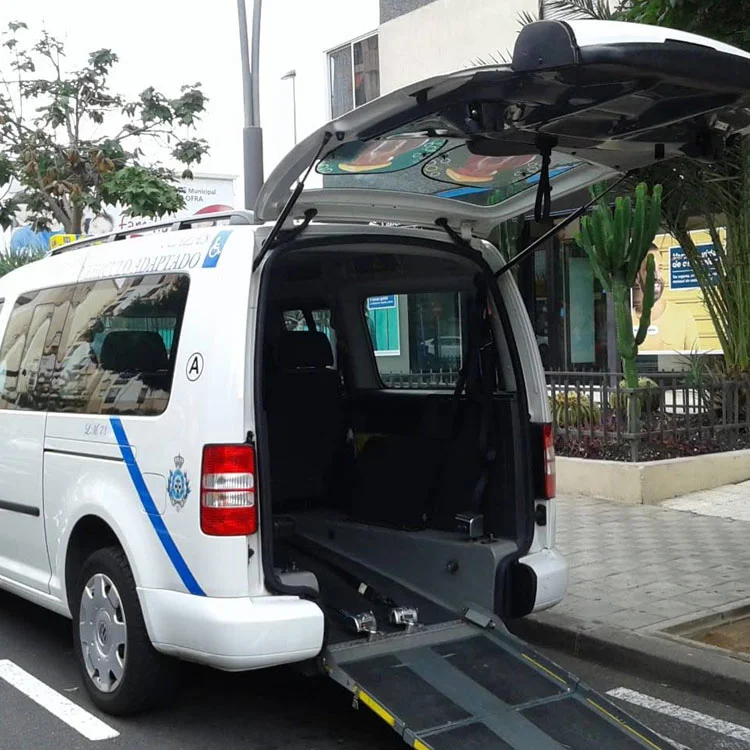
Local public transportation in Virginia offers a cost-effective and accessible way for individuals in wheelchairs to get around their communities. Many local transit systems provide wheelchair-accessible buses or paratransit services, ensuring that everyone can access public transportation. The pricing is often reasonable, with options like fixed fares or reduced rates for seniors and individuals with disabilities. These services are not limited to medical appointments; they can take you to work, shopping, or social activities, enhancing your independence and quality of life. If you’re looking for an economical and convenient way to travel within your local area, local public transportation can be a reliable and wheelchair-friendly choice. It’s all about making mobility and inclusion a reality for all residents.
Discounts and Subsidies:
Discounts and subsidies are a crucial lifeline for many individuals in Virginia who require wheelchair transportation and seek wheelchair-friendly music venues but face financial constraints. Various programs and initiatives offer financial assistance to make transportation more affordable. These subsidies can come from sources like Medicaid, non-profit organizations, or even local government agencies. They aim to lessen the financial burden on individuals with disabilities, ensuring that they can access essential transportation services without breaking the bank. If you’re in need, it’s worth exploring these resources to determine if you qualify for any financial support. Discounts and subsidies can significantly ease the cost of wheelchair transportation and help ensure that you or your loved ones have access to the transportation you need.
Insurance Coverage:
- Private Health Insurance:
- Some private health insurance plans may cover non-emergency medical transportation, including wheelchair-accessible vehicles, under certain circumstances.
- It’s essential to review your policy’s terms and contact your insurance provider for specific details.
- Medicaid:
- If you’re eligible for Medicaid, it can often cover the cost of wheelchair transportation for medical appointments, ensuring you don’t need to rely on your private insurance for this specific service.
- Medicare:
- Original Medicare (Part A and Part B) typically doesn’t cover routine, non-emergency transportation. However, Medicare Advantage plans (Part C) may offer such benefits, as mentioned earlier.
- Prior Authorization:
- Some insurance plans, including private ones, may require prior authorization for transportation services. This means you’ll need to get approval from your insurer before scheduling the ride.
- Network Providers:
- Insurance plans might work with specific transportation providers or networks. Using in-network providers can help reduce your out-of-pocket costs.
- Cost-Sharing:
- Even if your insurance covers wheelchair transportation, you may still be responsible for certain costs, such as copayments or deductibles. Review your policy for details on these expenses.
- Prescription Requirement:
- In some cases, your healthcare provider may need to prescribe wheelchair transportation for it to be covered by insurance.
- Documentation and Claims:
- Keep thorough records of your transportation expenses and submit claims as necessary. Be prepared to provide documentation to support your claims.
It’s essential to be proactive when dealing with insurance coverage for wheelchair transportation. Understand your policy’s terms, reach out to your insurer for clarification, and follow any required procedures to ensure your expenses are covered to the fullest extent possible.
Ride-Sharing Services:
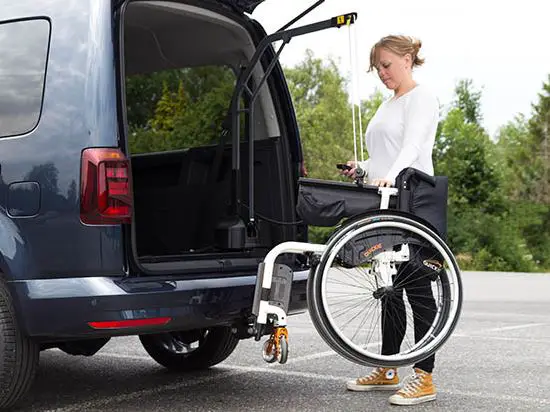
Ride-sharing services like Uber and Lyft have become increasingly accessible and convenient options for individuals in need of wheelchair transportation in Virginia. These companies have recognized the importance of inclusivity and offer options for passengers with mobility challenges. They provide wheelchair-accessible vehicles (WAVs) equipped with ramps or lifts, making it easier for wheelchair users to travel independently. With user-friendly apps, you can schedule rides on-demand, track your driver’s arrival, and even pay electronically, adding an extra layer of convenience. While pricing may vary depending on factors like distance and demand, ride-sharing services can provide a flexible and efficient solution for local transportation, ensuring that those with wheelchairs have more options at their fingertips. It’s a promising development for enhancing mobility and ensuring equal access to transportation services.
FAQ’s:
Does Virginia Medicaid provide transportation?
Yes, Virginia Medicaid often provides non-emergency medical transportation for eligible beneficiaries, including those in need of wheelchair transportation to medical appointments.
How do I start a non emergency medical transportation in Virginia?
To start a non-emergency medical transportation business in Virginia, you’ll need to create a business plan, obtain necessary permits, secure suitable vehicles, hire certified drivers, establish billing systems, and build strong relationships with healthcare providers and potential clients.
What cities in Virginia have public transportation?
Cities in Virginia with public transportation systems include Richmond, Virginia Beach, Norfolk, Alexandria, Arlington, and Charlottesville, among others.
What is the number for Virginia Medicaid transportation?
The number for Virginia Medicaid transportation can vary by region, so it’s advisable to contact the Virginia Department of Medical Assistance Services (DMAS) at 1-800-552-8627 to inquire about transportation services specific to your area.
How do I become a Medicaid transportation provider in NY?
To become a Medicaid transportation provider in New York, you must complete the enrollment process through the New York State Medicaid program, which includes meeting specific requirements, obtaining the necessary licenses and permits, and working with the local Medicaid office.
CONCLUSION:
In conclusion, the cost comparison of wheelchair transportation services in Virginia reveals a range of options catering to diverse needs and budgets. Medicaid can provide substantial financial relief for eligible individuals, while private providers offer flexibility and convenience, albeit at varying costs. Non-profit organizations, Medicare Advantage Plans, Veterans Affairs services, and local public transportation systems provide additional choices, each with its own advantages and limitations. Discounts, subsidies, and insurance coverage can further alleviate expenses, and the emergence of ride-sharing services like Uber and Lyft offers newfound convenience. Careful consideration of these options, depending on your unique circumstances, is essential to ensure that you or your loved ones can access wheelchair transportation services in a cost-effective and reliable manner.