
Navigating the unique needs of bariatric patients during transit presents a significant challenge. These individuals, who often face obesity-related health concerns, require specialized care and accommodations. Whether it’s a routine doctor’s visit or long-distance travel, addressing their requirements is essential for their well-being and comfort. In this brief guide, QRST Wheelchair Transportation will explore the various ways in which healthcare providers, transportation services, and individuals can work together to ensure that bariatric patients receive the care and dignity they deserve during their journeys. From appropriate seating and accessibility to compassionate support, we’ll delve into the practical steps and considerations for making transit a smoother experience for bariatric patients.
Specialized Seating:
Specialized seating is a crucial aspect of meeting the unique needs of bariatric patients in transit. These individuals often require more than just a standard seat. These specialized seats are wider and more reinforced to provide the comfort and support necessary for their safety and well-being during the journey. It’s not just about offering a larger chair but also ensuring that it can withstand the additional weight. These specially designed seats help prevent discomfort and potential injuries that can arise from using regular seating. By having these accommodations readily available, transit providers can make a significant difference in the overall travel experience for bariatric passengers, ensuring they feel respected and comfortable throughout their journey.
Accessibility:
Accessibility is a key consideration when it comes to meeting the unique needs of bariatric patients in transit, just as it is with DMV wheelchair transportation for cancer patients. These individuals often face mobility challenges, and ensuring that transportation options like buses, trains, and planes are equipped with ramps, lifts, or designated seating areas is crucial. These accessibility features make it easier for bariatric patients and individuals with cancer to board and disembark safely. By offering these accommodations, we not only make travel more inclusive but also reduce the physical strain and potential embarrassment that these passengers might face. It’s all about creating an environment where everyone, regardless of their size, mobility, or health condition, can access transit services comfortably and independently.
Respectful Communication:
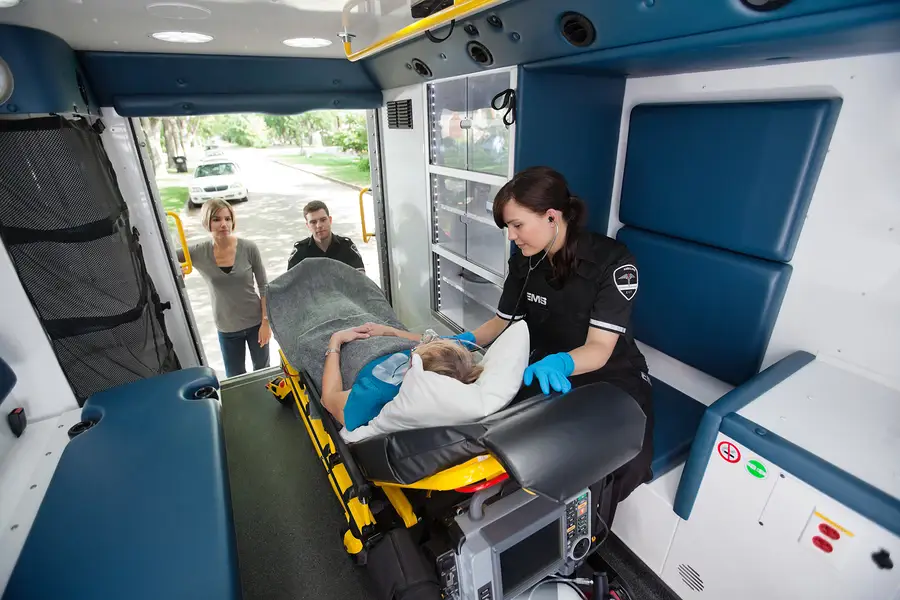
Respectful communication is a cornerstone of meeting the unique needs of bariatric patients in transit, just as it is with wheelchair transportation services. It’s essential to approach these individuals with sensitivity and empathy. Asking about their specific needs and preferences is a simple yet powerful way to ensure their comfort and dignity. It’s important to use language that is clear, non-judgmental, and free from any biases. This open and respectful dialogue helps build trust and reduces any anxiety or discomfort that bariatric passengers or individuals using wheelchair transportation services might feel during their journey. Ultimately, showing empathy and understanding in our communication can make a significant difference in how we support and serve these passengers, making their transit experience more positive and inclusive.
Weight Capacity Limits:
- Establish Clear Limits: Transit providers should define and communicate weight capacity limits for their vehicles or seating areas to ensure safety and prevent potential issues.
- Transparent Policies: Clearly state these limits in brochures, online, and at transit stations so that bariatric passengers are aware of the restrictions.
- Regular Maintenance: Maintain and inspect seating areas and equipment regularly to ensure they can safely support the designated weight limits.
- Alternative Arrangements: Have plans in place for passengers who may exceed weight limits, such as offering alternative seating arrangements or accommodations to prevent exclusion.
- Safety First: Emphasize the importance of these limits as a safety measure, rather than a judgment of the passenger’s weight. This approach helps avoid stigmatization and ensures a safer journey for all passengers.
By setting and communicating weight capacity limits, transit providers can promote safety while also being sensitive to the needs of bariatric passengers, providing clarity and preventing any uncomfortable situations during their travels.
Dignified Boarding and Deplaning:
- Pre-Boarding Assistance: Offer pre-boarding assistance to bariatric passengers, allowing them extra time to settle comfortably and reducing the rush and stress associated with boarding.
- Designated Boarding Zones: Establish designated zones or lanes for bariatric passengers, allowing them to board and deplane with more space and convenience.
- Courtesy and Respect: Instruct staff to treat bariatric passengers with courtesy and respect, offering a helping hand if needed without compromising their dignity.
- Discreet Options: Provide options for discreet boarding, especially in cases where mobility is severely limited, to respect the privacy of bariatric passengers.
- Communication: Clearly communicate boarding and deplaning procedures to both staff and passengers, ensuring that everyone is aware of the inclusive approach.
By focusing on dignified boarding and deplaning, transit providers can make the journey smoother and more comfortable for bariatric passengers, recognizing their unique needs and promoting a positive travel experience.
Educate Staff:
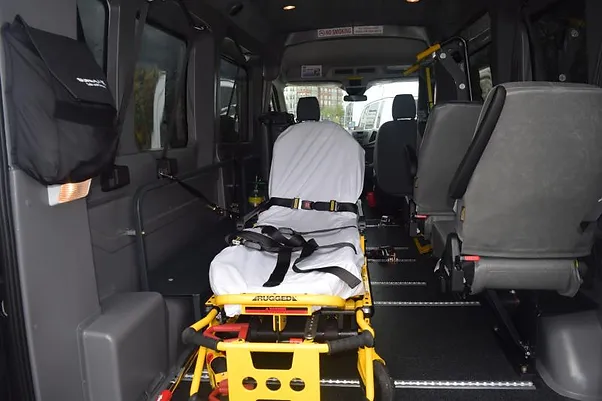
Educating staff is a vital step in meeting the unique needs of bariatric patients in transit, just as it is with wheelchair transportation for cancer patients in DMV. It’s essential that transit employees understand the challenges these passengers may face and are equipped to provide the necessary support. This education should encompass not only the physical aspects of assisting bariatric individuals and patients with cancer but also the importance of empathy and sensitivity in their interactions. Training programs should cover topics like proper communication, privacy considerations, and safety measures to ensure that these passengers feel respected and comfortable throughout their journey. By fostering a well-informed and compassionate staff, transit providers can create an environment where all passengers, regardless of their unique needs, receive the care and attention they deserve during transit.
Equipment Availability:
Having appropriate equipment readily available is a key element in addressing the unique needs of bariatric patients during transit. This includes items like larger wheelchairs, mobility aids, and specialized seating. Access to such equipment is essential to assist bariatric individuals with their mobility and ensure their comfort during the journey. By having these resources on hand, transit providers can minimize potential difficulties or discomfort and promote a more inclusive travel experience. It’s all about ensuring that the right tools are available to offer bariatric passengers the support and assistance they need, so they can travel with confidence and dignity.
Nutrition and Hydration:
- Customized Meal Options: Offer meal options that cater to the dietary needs and restrictions of bariatric patients. This includes low-sugar, low-fat, or smaller portion choices.
- Hydration Stations: Ensure access to hydration stations or water fountains in transit areas so that passengers can stay adequately hydrated throughout their journey.
- Snack Availability: Make healthy snacks available, like fresh fruits and nuts, which are not only nutritious but also convenient for bariatric passengers during long trips.
- Accommodate Medications: Be flexible and understanding when it comes to passengers needing to take medications or supplements. Provide a quiet, private area if necessary.
By addressing nutrition and hydration needs, transit services can contribute to the overall well-being of bariatric passengers, making their travel experience more comfortable and health-conscious. It’s a small but impactful step in ensuring their unique requirements are met.
Inclusive Seating Policies:
Inclusive seating policies are a critical component in creating a welcoming and comfortable transit environment for bariatric passengers. These policies ensure that everyone, regardless of their size, can find suitable seating without feeling singled out or stigmatized. By implementing policies that consider the needs of bariatric individuals, transit providers can help reduce the anxiety and embarrassment that can often accompany travel. Inclusive seating can encompass a range of options, from larger seats to flexible arrangements that allow passengers to choose a seating configuration that suits their needs. The key is to promote a sense of equality and dignity, so that every passenger can travel with confidence and without fear of judgment.
FAQ’s:
Why is it important to be sensitive to the unique needs of a bariatric patient?
Being sensitive to the unique needs of a bariatric patient is crucial to ensure their physical and emotional well-being, reduce stigma, and provide equitable access to essential services.
What is the best way to transport an obese patient?
Bariatric needs refer to the specific medical and comfort requirements of individuals who are significantly overweight or obese, encompassing considerations like specialized seating, mobility support, and sensitivity to their unique challenges.
What is essential for the nurse to assess prior to transferring a bariatric patient?
Prior to transferring a bariatric patient, it is essential for the nurse to assess the patient’s weight, mobility, skin condition, and any potential complications related to their obesity.
What is the most important thing or things to consider when transferring a patient?
Prior to transferring a bariatric patient, it is essential for the nurse to assess the patient’s weight, mobility, skin condition, and any potential complications related to their obesity.
What should you consider before transferring a patient?
Before transferring a patient, consider their medical condition, mobility, weight-bearing capacity, and any specific needs or limitations to ensure a safe and comfortable transfer.
CONCLUSION:
In conclusion, meeting the unique needs of bariatric patients in transit is not just a matter of physical accommodations; it’s about providing dignity, respect, and inclusivity. From specialized seating to staff training and respectful communication, these steps contribute to a more positive and equitable travel experience. By addressing the multifaceted requirements of bariatric individuals, we can create a more compassionate and supportive transit system that ensures their well-being and comfort throughout their journey. This is not only a matter of practicality but a reflection of our commitment to a more inclusive and caring society for all.