
In Colombia, encountering issues with wheelchair locking mechanisms can be a challenging situation. These mechanisms are crucial for the safety and stability of wheelchair users, and when they fail, it can lead to frustrating and potentially unsafe situations. Whether it’s a manual or electric wheelchair, a malfunctioning locking mechanism can hinder a person’s mobility and independence. In this article, QRST Wheelchair Transportation will explore common causes of these failures, offer some tips for troubleshooting, and suggest ways to address these issues efficiently in Colombia. So, let’s get rolling and find solutions to keep wheelchair users moving safely and smoothly in the beautiful Colombian landscape.
Identify the Issue:
Identifying the issue with your wheelchair’s locking mechanism is the crucial first step to solving the problem. It’s like detective work for your mobility! When you suspect there’s something wrong, take a moment to observe and understand what’s going on. Are you having trouble securely locking the wheels in place? Is there an unusual clicking or clunking sound when you try to engage the mechanism? These observations can offer valuable clues about what might be going wrong. Perhaps it’s a worn-out part, a loose connection, or maybe even something as simple as debris caught in the mechanism. By paying close attention and identifying the issue, you’re setting yourself up for a smoother journey toward fixing it.
Common Causes:
Now, let’s dive into the common culprits behind wheelchair locking mechanism failures. These issues can sometimes feel like uninvited guests, disrupting your daily life, just as the reliability of wheelchair transportation services is crucial for your mobility. One of the usual suspects is wear and tear. Over time, the mechanical components that make your locking mechanism work can deteriorate, making it less effective. Loose bolts and nuts are another frequent offender. The constant movement of a wheelchair can cause these fasteners to wiggle themselves free, rendering the mechanism unreliable. Sometimes, it’s not just wear and tear, but actual damage to the locking parts due to accidents or rough handling. And last but not least, debris is a sneaky foe. It might be as simple as a pebble or some dirt jamming the mechanism, preventing it from functioning correctly. By understanding these common causes, you’re better equipped to pinpoint the issue and get that locking mechanism back in shape.

Safety First:
When it comes to dealing with wheelchair locking mechanism failures, there’s one golden rule: safety first. Your well-being is the top priority, and it’s vital not to compromise it. If you notice any issues with your wheelchair’s locking mechanism, don’t take risks by continuing to use it if it’s not securely locking in place. This could lead to accidents or further damage. Instead, find a safe, stable spot to stop and assess the problem. It’s also a good idea to have a backup plan or assistance in case you need to exit the wheelchair safely. Whether it means asking for a helping hand or having a spare wheelchair available, prioritize your safety until the issue is resolved. Remember, it’s better to be temporarily inconvenienced than to risk your well-being.
Check Bolts and Connections:
- Gather Your Tools: Before diving in, make sure you have the right tools for the job. A set of wrenches or screwdrivers will come in handy.
- Inspect the Fasteners: Begin by inspecting all the bolts, nuts, and screws that hold the locking mechanism in place. Check for any obvious signs of damage, wear, or rust.
- Tighten Loose Fasteners: If you find any loose bolts or nuts, use your tools to snugly tighten them. A securely fastened connection can often resolve the issue.
- Be Thorough: Don’t just focus on the locking mechanism itself; examine the entire wheelchair frame and associated parts for loose connections that could indirectly affect the mechanism’s performance.
- Follow the Manual: If you have the wheelchair’s manual, refer to it for specific guidance on tightening or maintaining the locking mechanism. It can offer valuable insights into the correct torque settings.
- Test the Mechanism: After tightening all the connections, give your wheelchair’s locking mechanism a test run. Ensure it locks securely in place and releases without any issues.
- Regular Maintenance: Consider adding regular checks of bolts and connections to your maintenance routine to prevent future problems. Prevention is often the best solution.
By methodically checking and tightening bolts and connections, you can often resolve minor issues with your wheelchair’s locking mechanism, ensuring a safer and smoother mobility experience.
Clean and Lubricate:
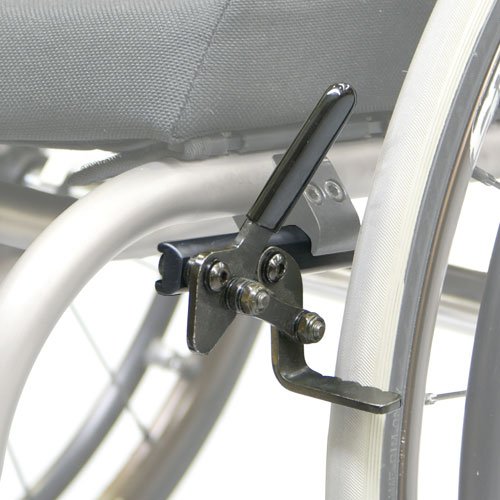
When it comes to maintaining your wheelchair’s locking mechanism, cleaning and lubrication are your best friends. Think of it like giving your wheelchair a spa day. First, clear away any dirt, dust, or debris that might be causing trouble. This could be as simple as using a brush or a damp cloth to wipe down the locking components. Once it’s all spick and span, consider applying some lubricant to keep things running smoothly. A light, wheelchair-friendly lubricant can help prevent rust and ensure the mechanism operates without any hitches. Just remember to follow your wheelchair’s manual or consult a professional to make sure you’re using the right type of lubricant for your specific model. Cleaning and lubricating might not be the most glamorous part of wheelchair care, but it can make a world of difference in keeping your mobility reliable and hassle-free.
Consult a Professional:
Sometimes, despite our best efforts, wheelchair locking mechanism issues can be a bit tricky to resolve. That’s where the pros come in. When you’re facing a persistent problem, it’s a good idea to consult a professional. Think of it like visiting a doctor for a thorough checkup. Wheelchair technicians and mobility aid specialists are well-versed in the intricacies of these devices and can quickly diagnose and fix any complex issues. They have the right tools, knowledge, and experience to ensure your wheelchair is in tip-top shape. Don’t hesitate to seek their help if you’re unsure about what’s causing the problem or if your DIY attempts aren’t doing the trick. It’s a smart move to ensure your mobility remains safe and reliable in the long run.
Availability of Parts:
In Colombia, considering the availability of replacement parts for your wheelchair’s locking mechanism is a wise move. It’s a bit like thinking ahead and having a spare tire in your car for emergencies. Before you find yourself in a situation where a part needs replacing, do a bit of research. Check with your wheelchair manufacturer or local suppliers to make sure they have the necessary parts readily available. You don’t want to be stuck in a situation where you’ve identified the problem but can’t find the replacement components. Ensuring parts are accessible can save you time, effort, and potentially extended periods of inconvenience, keeping your mobility on the right track.
Wheelchair-Friendly Service Centers:
- Location Matters: Look for service centers that are conveniently located within your reach. It’s all about making maintenance and repairs as hassle-free as possible.
- Check Their Expertise: Ensure the service center has experience with your wheelchair’s make and model. Not all wheelchairs are the same, and familiarity with your specific type can make a significant difference in the quality of service.
- Professional Staff: Friendly and knowledgeable staff can make your visit more pleasant. A service center with a caring and understanding approach can go a long way in addressing your concerns.
- Ask for Recommendations: Reach out to fellow wheelchair users or disability support groups in your area for recommendations. They can provide insights into the best service centers based on their experiences.
- Assess Their Services: Take a look at the range of services they offer. Do they provide regular maintenance, emergency repairs, and part replacements? The more comprehensive their services, the better.
- Check for Accessibility: Ensure the service center is wheelchair-accessible, so you can easily get in and out without any hindrances.
- Warranty Consideration: If your wheelchair is under warranty, confirm that the service center’s work doesn’t void the warranty. This can save you money and hassle in the long run.
- Customer Reviews: Check online reviews and ratings for the service center to gauge customer satisfaction and the quality of their work.
Finding a wheelchair-friendly service center is like having a reliable partner in your mobility journey. It ensures your wheelchair receives the care and attention it needs to keep you moving safely and comfortably.
Consider Upgrading:
When it comes to dealing with persistent issues in your wheelchair’s locking mechanism, it might be worth considering an upgrade. Think of it as investing in a more reliable and modern set of wheels. If your wheelchair is getting on in years and has had its fair share of repairs, a newer model could come with improved features and better reliability. Newer locking mechanisms often incorporate the latest technology and safety standards, offering a smoother and more secure mobility experience. Additionally, an upgrade can address issues like parts availability and compatibility. Just like upgrading your phone for better performance, upgrading your wheelchair could mean a significant improvement in your daily life and peace of mind. It’s a choice worth contemplating if you find yourself frequently grappling with locking mechanism troubles.
FAQ’s:
What are some problems with wheelchairs?
Some common problems with wheelchairs include flat tires, malfunctioning brakes, and worn-out seating.
What is the most difficult thing for wheelchair users?
One of the most challenging aspects for wheelchair users is often the lack of accessibility and mobility in public spaces.
What are the limitations of a wheelchair?
The limitations of a wheelchair include difficulties with rough terrain, stairs, and limited access to certain spaces.
What are common causes of wheelchair use?
Common causes of wheelchair use include mobility impairments due to injuries, medical conditions, or disabilities.
What barriers do wheelchair users face?
Wheelchair users often encounter barriers such as inaccessible buildings, transportation, and societal stigmatization.
CONCLUSION:
In conclusion, addressing wheelchair locking mechanism failures in Colombia requires a combination of vigilance, maintenance, and seeking professional assistance when needed. Safety should always be the top priority, and proactive measures like regular checks, cleaning, and ensuring parts availability can help prevent issues. Access to wheelchair-friendly service centers and, when necessary, considering an upgrade are valuable options to enhance mobility and overall quality of life for wheelchair users in Colombia. By acknowledging and addressing these challenges, we can work towards a more inclusive and accessible environment for all.