Navigating the bustling streets of Washington isn’t just about dodging raindrops or getting that perfect cherry blossom selfie. For those with spinal cord injuries, it’s a whole different challenge. Whether you’re a resident or just visiting the capital, moving around should feel inclusive and hassle-free for everyone. From the sleek metro systems to the iconic cabs, we’re looking deep into how Washington is stepping up its game for accessible transportation in this article by QRST Wheelchair Transportation. Buckle up (or strap in) as we explore the myriad of options, adaptations, and advancements making Washington a more welcoming city for people with spinal cord injuries. Let’s roll
Understanding the Need.
Understanding the need for accessible transportation in Washington is essential to appreciate the challenges faced by individuals with spinal cord injuries. For those living with mobility impairments, the ability to move freely and independently is not just a matter of convenience; it’s a fundamental aspect of leading a full and engaged life. Navigating a world designed primarily for able-bodied individuals can be daunting, and without accessible transportation options, it becomes even more daunting. Whether it’s commuting to work, accessing healthcare, or simply enjoying recreational activities, accessible transportation availability in DMV also is a lifeline that empowers individuals with spinal cord injuries to overcome barriers and participate fully in the vibrant communities and opportunities that Washington has to offer.

Public Transportation
Public transportation in Washington plays a pivotal role in ensuring mobility and accessibility for individuals with spinal cord injuries. This section explores the various aspects of public transportation that cater to the specific needs of this community.
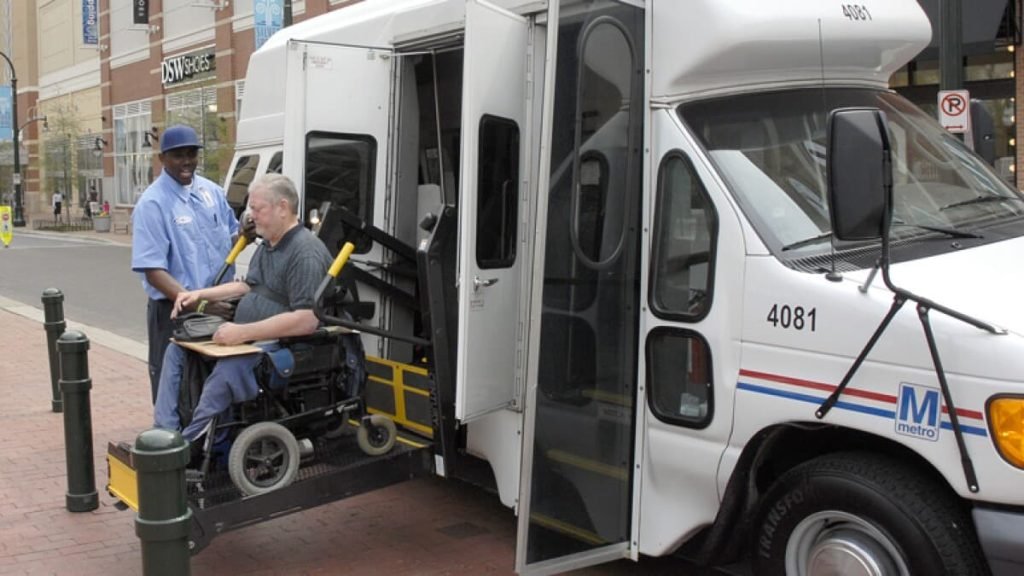
Accessible Buses and Light Rail Services: Public buses and light rail systems in Washington have made significant strides in becoming more accessible. Many buses are equipped with ramps or lifts to accommodate individuals using wheelchairs, and low-floor buses have become more common, making boarding easier. Light rail systems, such as Sound Transit in the Seattle area, also offer accessible stations and train cars.
Accommodations for Wheelchair Users: Public transportation authorities in Washington have made efforts to ensure that buses and trains are designed with the needs of wheelchair users in mind. This includes securement areas for wheelchairs, priority seating, and easy-to-use ramps or lifts for boarding and disembarking.
Metro Access and Paratransit Options: In addition to regular public transportation, Washington offers specialized
Accessible Taxis and Rideshare Services.
Accessible taxis and rideshare services have become increasingly important for individuals with spinal cord injuries in Washington, offering on-demand transportation options tailored to their specific needs. Accessible taxis are equipped with features like wheelchair ramps or lifts, spacious interiors, and trained drivers who are experienced in assisting passengers with mobility impairments. These taxis provide a valuable door-to-door service, enhancing independence and convenience for individuals with spinal cord injuries.
Moreover, rideshare companies operating in Washington, such as Uber and Lyft, have introduced accessible vehicle options in many areas. Passengers can request wheelchair-accessible vehicles in Washington through these platforms, allowing for more flexibility and choice when it comes to transportation. This expansion of accessible options within the taxi and rideshare industries is a significant step forward in improving the overall mobility and quality of life for individuals living with spinal cord injuries in the state.
Accessible Transportation Options.
Accessible transportation options in Washington extend beyond public transit and traditional taxis. The state recognizes the importance of offering diverse choices to individuals with spinal cord injuries, promoting greater independence and accessibility. One notable option is adaptive vehicle rentals, allowing individuals to rent specially modified vehicles equipped with features like hand controls, ramps, and accessible seating. This empowers them to explore the state on their terms.
Furthermore, Washington has seen the rise of accessible carpooling and ride-sharing programs, fostering a sense of community and shared transportation. These programs often partner with local disability organizations, ensuring that individuals with spinal cord injuries have access to reliable and supportive transportation networks. These innovative solutions contribute to a more inclusive and accessible transportation landscape, enhancing the overall quality of life for those with mobility challenges in the Evergreen State.
Planning Your Journey.
Planning your journey as an individual with a spinal cord injury in Washington is key to ensuring a smooth and comfortable travel experience. Start by researching accessible transportation options, including bus routes, paratransit services, and accessible taxi or rideshare providers available in your area. Familiarize yourself with the schedules, routes, and accessibility features of these services.
Consider using accessible transit apps and resources, such as real-time tracking apps or websites that provide information on accessible stops, routes, and service updates. These tools can help you stay informed and make informed decisions about your travel plans.
When planning your journey, it’s also a good idea to allow for extra time, especially if you have specific mobility requirements or need assistance. Communicate your needs with transportation providers in advance to ensure they can accommodate you effectively.
By proactively planning your journey and utilizing available resources, you can navigate Washington’s transportation system with confidence and independence, making the most of all that this diverse state has to offer.
Accessible Destinations.
Washington boasts a wide array of accessible destinations that cater to individuals with spinal cord injuries, making it an inviting place to explore. From the vibrant city of Seattle to the picturesque landscapes of the Pacific Northwest, there are inclusive attractions for everyone to enjoy. Seattle, for instance, offers accessible museums like the Museum of History and Industry and the Seattle Art Museum, both equipped with ramps, elevators, and accommodations for those with mobility impairments. The city’s iconic Space Needle also provides accessible viewing platforms with breathtaking panoramic views.
Beyond the urban landscape, Washington’s natural beauty is equally accessible. National parks such as Olympic and Mount Rainier offer wheelchair-friendly trails and visitor centers, allowing individuals to immerse themselves in the state’s stunning wilderness. Additionally, adaptive outdoor recreation programs in Washington enable individuals with spinal cord injuries to engage in activities like adaptive skiing, kayaking, and hiking, ensuring that everyone can experience the state’s diverse outdoor adventures. Whether you seek culture, nature, or adventure, Washington’s accessible destinations ensure that all individuals can partake in the Evergreen State’s unique offerings.
Advocacy and Resources.
Advocacy and resources play a crucial role in ensuring that individuals with spinal cord injuries in Washington have access to the support and assistance they need. The state is home to various advocacy groups and organizations dedicated to championing the rights and needs of the disabled community. These organizations offer valuable resources, information, and advocacy services, helping individuals navigate challenges related to transportation, accessibility, and overall quality of life.
Furthermore, Washington provides funding and assistance programs that can alleviate some of the financial burdens associated with accessible transportation. These programs may include grants, subsidies, or subsidies for adaptive equipment and vehicle modifications, making it easier for individuals with spinal cord injuries to secure the necessary resources for accessible travel.
By tapping into these advocacy groups and resources, individuals can find the support and guidance they need to lead fulfilling and independent lives, ensuring that accessibility and inclusivity remain at the forefront of the state’s priorities.
Stories of Empowerment.
Stories of empowerment within Washington’s spinal cord injury community serve as inspiring testaments to the resilience and strength of individuals facing mobility challenges. These narratives often highlight the transformative impact of accessible transportation options, demonstrating how they have opened doors to new opportunities and experiences. From individuals pursuing fulfilling careers to those embarking on adventurous journeys through the state’s scenic landscapes, these stories underscore the importance of inclusive transportation in enhancing the overall quality of life. Through determination and the support of accessible services, these individuals showcase their ability to overcome obstacles and thrive, setting examples that empower others to do the same and reinforcing the significance of accessible transportation in fostering independence and inclusivity.
The Role of Medical Professionals
The role of medical professionals in spinal injury transport is pivotal. Trained healthcare providers, such as paramedics and emergency medical technicians, play a critical role in assessing the severity of the injury, stabilizing the patient’s spine using appropriate techniques and equipment, and making informed decisions about transportation methods. They are trained to recognize potential complications, administer necessary medications, and communicate with hospital staff to ensure a seamless transition of care. Moreover, specialized medical professionals, such as spinal cord injury specialists or neurosurgeons, may be consulted to provide expert guidance on the safest methods of transport and potential interventions during transit, further emphasizing the importance of their role in ensuring the well-being of spinal injury patients.
Modes of Transportation for Spinal Injury Patients
Selecting the most suitable mode of transportation for spinal injury patients is crucial for ensuring their safety and well-being. Ambulances equipped with specialized spinal immobilization equipment, including spine boards and cervical collars, are the primary choice for emergency transport. Air medical services, such as helicopters, may be employed for rapid transfers to specialized facilities. In non-emergency situations, wheelchair-accessible vehicles or medical wheelchair transport vans provide comfortable and secure transportation options. Additionally, for long-distance travel or international transfers, medical escort services can be arranged, where trained medical professionals accompany the patient to ensure continuous care throughout the journey. The choice of transportation mode depends on the patient’s condition, distance, and urgency of transport.
FAQs
How do you transport a patient with a spinal injury?
Patients with spinal injuries are transported with utmost care using spine boards or immobilization devices to prevent further injury.
What is the best method to transport a person who has a spinal injury?
The best method to transport a person with a spinal injury is using a spine board or a specialized immobilization device, ensuring the spine remains stable and protected.
What is the spinal cord injury network of Metropolitan Washington?
As of my last update in September 2021, I don’t have specific information on a “spinal cord injury network of Metropolitan Washington,” but it may refer to a local organization or support group dedicated to assisting individuals with spinal cord injuries in the Washington D.C. metro area.
Conclusion.
In conclusion, Washington State has made commendable strides in ensuring accessible transportation for individuals with spinal cord injuries. From wheelchair-accessible public transit options and adaptive vehicle rentals to inclusive rideshare services and a wealth of accessible destinations, the Evergreen State is committed to fostering independence, inclusivity, and a high quality of life for its residents. Alongside robust advocacy groups and resource programs, individuals with spinal cord injuries have the support and tools necessary to navigate Washington’s diverse landscapes and communities with confidence. As stories of empowerment continue to emerge, it becomes evident that accessible transportation not only opens doors but also paves the way for individuals to lead fulfilling, adventurous, and empowered lives. Washington’s dedication to accessibility is a testament to its commitment to inclusivity and equal opportunities for all.