In the great state of Washington, where the majestic Pacific Northwest meets vibrant urban landscapes, our veterans are treasured heroes. For those who have sacrificed for our nation and now face mobility challenges, there’s a special commitment to ensuring their well-being. Join us with QRST Wheelchair Transportation Service, as we explore the array of services available to veterans in Washington with mobility challenges. From accessible transportation options to comprehensive healthcare support, the Evergreen State is dedicated to honoring its veterans by providing the care, assistance, and resources they need to lead fulfilling lives. It’s a testament to Washington’s unwavering gratitude for those who have served our country.
Accessible Transportation Services
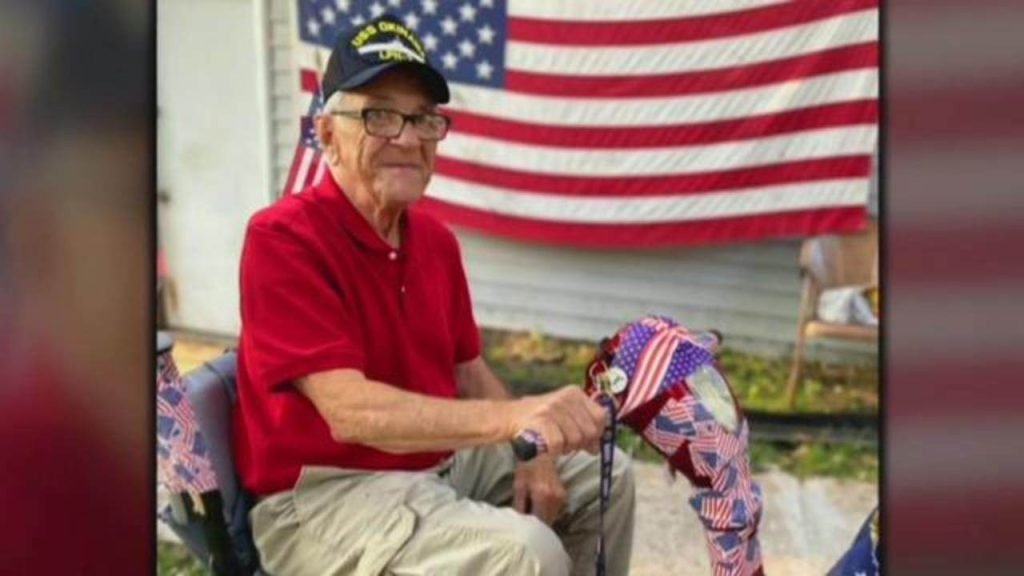
Washington provides accessible transportation options tailored to veterans with mobility challenges. These services, such as collaborations between healthcare providers and transportation services in Washington, offer wheelchair-accessible vehicles, specialized equipment, and trained drivers to ensure veterans can travel safely and comfortably to medical appointments, social gatherings, and other essential destinations. These transportation services play a vital role in maintaining veterans’ independence and access to necessary resources while fostering essential partnerships within the healthcare system to better serve their unique needs.
Veteran-Specific Healthcare Programs
Veterans in Washington benefit from specialized healthcare programs designed to address their unique needs, much like the rights of wheelchair passengers in Washington. The state offers a range of veteran-specific healthcare services, including specialized clinics, telehealth options, and comprehensive medical care. These programs ensure that veterans receive the necessary treatments, therapies, and support to maintain their health and well-being while upholding their rights to accessible and quality healthcare services.
Mobility Equipment Assistance
These programs play a pivotal role in promoting veterans’ independence and ensuring they can fully participate in their communities. It’s often seen in some of the cases in DMV that few of the Veterans’ children get disabled due to any special cause so service provider comes forward with mobility solutions for children with disabilities in DMV. Facilitating access to mobility equipment, Washington underscores its commitment to improving the overall well-being and quality of life for veterans with mobility challenges. These initiatives not only provide physical assistance but also symbolize the state’s gratitude and appreciation for veterans’ sacrifices and service to the nation.
Adaptive Housing and Home Modifications
These adaptive housing solutions and home modifications are tailored to meet the specific needs of veterans, ensuring that their homes become safe and accommodating spaces. By removing physical barriers, such as stairs or narrow doorways, and adding accessibility features, Washington enables veterans to maintain their independence and age in place with dignity. These initiatives not only enhance the veterans’ quality of life but also contribute to their overall well-being and sense of security within their own homes, reinforcing the state’s commitment to honoring and supporting its veterans.
Mental Health and Counseling Services
These mental health and counseling services recognize the unique experiences and challenges veterans with mobility issues may encounter. By addressing both physical and mental well-being, Washington ensures that veterans receive comprehensive care that enhances their quality of life and assists them in navigating the complexities of post-military life. These services not only aim to treat conditions but also empower veterans with strategies to cope with the unique stressors they may face, promoting resilience and a higher overall level of well-being.

Veteran Service Organizations (VSOs)
These organizations often collaborate with state agencies and community partners to provide a holistic approach to veteran support. They play a pivotal role in bridging the gap between veterans and the assistance they need, ensuring that those who have served their nation receive the care, guidance, and recognition they deserve during their transition to civilian life in Washington.
Employment and Vocational Training
These vocational training and employment programs are tailored to accommodate veterans with diverse abilities and mobility challenges. They focus on skill development that matches the veterans’ interests and capabilities, thereby enhancing their prospects in the job market. By fostering self-reliance and financial independence, Washington’s commitment to these initiatives ensures that veterans with mobility challenges can achieve meaningful employment and successfully reintegrate into civilian life, contributing their talents and expertise to the workforce.
Educational Opportunities
These educational opportunities empower veterans to acquire new skills, explore diverse career paths, and successfully transition into civilian life. Whether pursuing higher education or vocational training, Washington’s commitment to providing these resources ensures that veterans have the tools they need to build rewarding post-military careers. Additionally, these programs acknowledge the valuable experiences and contributions veterans bring to the workforce, further strengthening the state’s commitment to supporting its military community.
Community and Recreational Support
These community engagement programs not only encourage physical activity and camaraderie but also contribute to veterans’ mental and emotional well-being. By creating a supportive and inclusive environment, Washington ensures that veterans with mobility challenges can lead fulfilling lives and enjoy meaningful social interactions that enhance their overall quality of life.
Legal and Financial Assistance
These programs are essential in navigating the complex legal and financial landscape, offering expert guidance to veterans and their families. They provide critical assistance in securing benefits, managing financial resources, and ensuring that veterans receive the support they deserve. This comprehensive approach to legal and financial support underscores Washington’s commitment to the well-being of its veterans.
Advocacy and Support Networks
These advocacy and support networks serve as a lifeline for veterans, offering a sense of camaraderie and understanding. They organize events, support groups, and outreach programs that foster a strong sense of community among veterans with mobility challenges. By working collaboratively with government agencies and the broader public, these networks ensure that veterans receive the recognition, support, and respect they rightfully deserve for their sacrifices in service to the nation.
Conclusion:
In the state of Washington, the commitment to veterans with mobility challenges is unwavering and comprehensive. From accessible transportation services to adaptive housing solutions, mental health support to educational opportunities, Washington ensures that its veterans receive the care, resources, and respect they deserve. By addressing the unique needs of veterans with mobility challenges, the state fosters independence, well-being, and a sense of belonging within the veteran community. These initiatives not only acknowledge the sacrifices made by veterans but also reflect Washington’s dedication to their continued quality of life, ensuring they can fully enjoy the freedoms they have defended for the nation.
FAQs:
How does a veteran get a wheelchair?
Veterans can obtain wheelchairs through the U.S. Department of Veterans Affairs (VA) healthcare system. The VA assesses a veteran’s medical needs and provides a wheelchair when it is deemed medically necessary for their mobility and well-being.
What kind of wheelchair does the VA provide in Washington?
The VA provides a range of wheelchairs tailored to veterans’ specific needs, including manual wheelchairs, power wheelchairs, and specialized wheelchairs for conditions like spinal cord injuries. The type of wheelchair provided depends on the veteran’s medical requirements and mobility limitations.
What is the most a disabled veteran can get?
The maximum disability compensation for a disabled veteran depends on their disability rating. The highest monthly compensation rate for a single veteran with a 100% disability rating in 2021 was $3,146.42, but rates may change annually based on cost-of-living adjustments.
What is the easiest way to get VA disability?
The easiest way to initiate a VA disability claim is through the VA’s online portal, e-Benefits. Veterans can complete and submit their claims online, which streamlines the process and allows for easy tracking and communication with the VA.
What are the benefits of a wheelchair for disabled people?
Wheelchairs provide increased mobility and independence for disabled individuals, enabling them to move freely and access various places. They also offer physical comfort and reduce the strain of walking for those with mobility challenges.