
When it comes to accommodating individuals with mobility challenges, the choice between wheelchair-accessible minivans and full-size vans can be a pivotal one. The Department of Motor Vehicles (DMV) plays a vital role in this decision-making process, as it involves legal requirements, driving assessments, and vehicle modifications. In this exploration, QRST Wheelchair Transportation, will help you look into the merits of both options, considering factors such as maneuverability, accessibility, cost, and regulatory compliance. By understanding the nuances of wheelchair-accessible transportation, you can make an informed choice that suits your needs and preferences.
Wheelchair-Accessible Minivans: Maneuverability and Versatility
Wheelchair-accessible minivans are renowned for their maneuverability. Their compact size makes them adept at navigating urban environments and tight parking spaces. Equipped with lowered floors and ramps, they provide seamless access for wheelchair users. Additionally, these minivans often offer adaptable seating configurations, allowing for both wheelchair passengers and other occupants. The conversion process usually maintains the minivan’s original features, preserving its aesthetic and driving dynamics. For those seeking a family-friendly, all-purpose vehicle that effortlessly blends accessibility with daily usability, a wheelchair-accessible minivan can be an excellent choice.
Full-Size Vans: Spaciousness and Customization
Full-size vans, while bulkier, provide unmatched interior space. This advantage can be crucial for accommodating larger power wheelchairs and providing ample room for maneuvering within the vehicle. Conversion options for full-size vans often include raised roofs and more extensive modifications, allowing for stand-up mobility within the cabin. These vans are also popular choices for commercial applications, as they can transport multiple wheelchair users simultaneously. If you require a vehicle with generous space for equipment, caregivers, or multiple passengers, a full-size van might better suit your needs.
Maneuverability and Accessibility: The Minivan Edge
One of the primary considerations when navigating the DMV’s requirements is maneuverability. Wheelchair-accessible minivans excel in this aspect due to their compact dimensions. They are easier to handle on the road, park, and maneuver in tight spaces compared to full-size vans. This advantage can prove invaluable for everyday commuting and parking challenges. Additionally, the built-in ramps and lowered floors of minivans facilitate swift and hassle-free wheelchair access, simplifying the process of entering and exiting the vehicle – a feature particularly important for individuals with limited mobility.
Interior Space and Customization: The Full-Size Van Advantage
Full-size vans shine when it comes to interior space. They offer ample room for passengers and equipment, making them suitable for extended trips or transporting multiple individuals. These vans often allow for customization on a larger scale, enabling adaptations like raised roofs, wheelchair lifts, and additional seating configurations. For those who require standing mobility within the vehicle or intend to use it for group transportation, the full-size van’s cavernous interior can be a game-changer.
Cost Considerations: Minivans vs. Full-Size Vans
Cost is a significant factor in any vehicle purchase. Wheelchair-accessible minivans generally have a more affordable upfront price compared to full-size vans. The conversion costs for minivans are often lower due to their smaller size, making them a budget-friendly choice for many. On the other hand, while full-size vans tend to be pricier, they offer greater customization possibilities and potential long-term savings, especially when used for commercial or multi-passenger purposes. It’s essential to weigh the initial investment against the benefits and customization options that align with your needs.
Regulatory Compliance and DMV Requirements
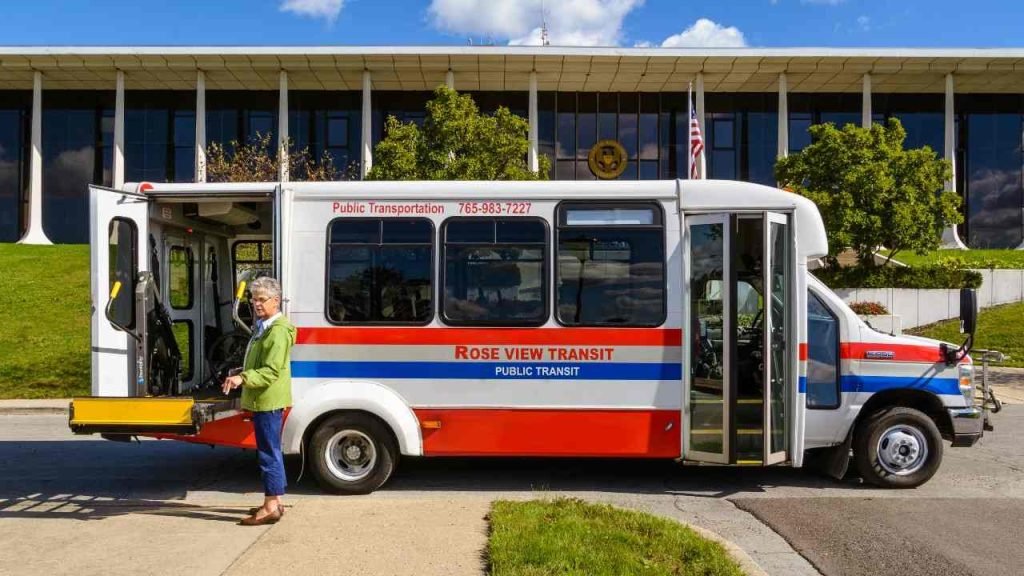
Both wheelchair-accessible minivans and full-size vans must meet specific regulatory standards to be deemed roadworthy. The DMV typically requires vehicles to pass safety inspections, emission tests, and any additional accessibility-related checks. Ensuring that your chosen vehicle complies with these regulations is paramount to obtaining proper registration and insurance coverage. Some modifications may require specific documentation to verify their compliance. Therefore, engaging with reputable conversion companies that are well-versed in DMV requirements can simplify this process and help you navigate potential hurdles.
Maintenance and Upkeep: Minivans vs. Full-Size Vans
Maintenance is an essential consideration for any vehicle owner. Wheelchair-accessible minivans often benefit from standard components, making repairs and servicing more straightforward and potentially less expensive. Their parts are commonly available, and mechanics are familiar with their systems. In contrast, full-size vans with intricate modifications might require specialized maintenance, which could be costlier and less convenient. Understanding the long-term maintenance demands of your chosen vehicle is crucial for ensuring its reliability and keeping it in optimal condition, contributing to your safety and peace of mind on the road.
Fuel Efficiency and Driving Experience: The Eco-Friendly Minivan
Fuel efficiency is a growing concern in today’s world. Wheelchair-accessible minivans tend to be more fuel-efficient compared to full-size vans due to their smaller size and lighter weight. This advantage not only saves you money at the pump but also reduces your carbon footprint. Additionally, minivans often offer a smoother and more car-like driving experience, making them easier to handle for those who may be transitioning from traditional passenger cars. This blend of fuel economy and user-friendly driving dynamics can be a decisive factor, particularly for daily commuting and city driving.
Resale Value and Depreciation: Future Considerations
Thinking ahead is crucial when investing in an accessible vehicle. Wheelchair-accessible minivans often retain better resale value due to their broader appeal in the used car market. Their compact size, versatility, and more affordable price point make them attractive options for subsequent buyers. On the other hand, full-size vans might depreciate more rapidly, primarily due to their specialized nature and potentially limited target audience. Factoring in potential resale value can help you make a financially savvy choice and plan for future upgrades or changes in your mobility needs, ensuring your investment remains as valuable as possible.
FAQs:
Is a wheelchair accessible van deductible?
Yes, under certain conditions, a wheelchair accessible van can be tax deductible as a medical expense.
What vans can be converted to wheelchair accessible?
Most vans, including models like the Dodge Grand Caravan, Chrysler Pacifica, Toyota Sienna, and Ford Transit, can be converted to wheelchair accessible vehicles.
What is the difference between a van and a minivan?
The primary difference between a van and a minivan lies in their size, with vans being larger and more spacious, often used for commercial purposes, while minivans are smaller, more family-oriented vehicles.
What is the best minivan for a disabled person?
The choice of the best minivan for a disabled person depends on individual needs, but popular options include the Toyota Sienna, Chrysler Pacifica, and Honda Odyssey, all of which offer various accessibility features and conversion options.
Conclusion: Making the Right Choice
Choosing between a wheelchair-accessible minivan and a full-size van involves a careful consideration of your unique needs and priorities. If maneuverability, ease of access, and everyday usability are paramount, a minivan might be the way to go. On the other hand, if you require more interior space, customization options, or intend to transport multiple passengers, a full-size van could better suit your requirements. Regardless of your choice, ensuring compliance with DMV regulations and seeking advice from accessibility experts will contribute to a smooth and successful vehicle ownership experience that enhances your mobility and independence.